William L. Esser, born in Pittsburgh, PA, on June 5, 1911, was profoundly shaped by his parents’ strong commitment to physical culture. His father had been very ill as a child, diagnosed with tuberculosis. With the discovery of Bernarr MacFadden and his writings, he eventually overcame his health problems. William’s parents passionately believed in nurturing their children’s health through natural living. As a result of that experience, he raised our family according to hygienic principles. So he had many of the benefits of hygiene and vegetarianism from a young age.
His mother’s life was conventional until her marriage, after which she, too, embraced the “Physical Culture” recommendations of Bernarr Macfadden. This shift significantly improved her health, and she lived to the age of 93. With the help of a midwife, she gave birth to three children and chose to breastfeed each of them—despite the fact that, even in the early years of the twentieth century, breastfeeding had already begun to fall out of favor among mothers.
This early influence instilled in William a lasting appreciation for holistic approaches and the power of natural methods, setting the foundation for a life dedicated to well-being and vitality. He and his sisters were never subjected to vaccinations, nor did their parents ever administer drugs or medicines to them in any form. He considers himself unusually fortunate for this and wishes that all children could be raised by parents like his.
From an early age, William Esser exhibited remarkable talent as a musician and became a skilled pianist. His poetic disposition made him well-suited for a prominent music career. However, a profound passion for natural hygiene took precedence when he followed his father’s advice to enroll at the American School of Naturopathy and Chiropractic. As a result, the world of music missed out on an extraordinary interpreter when William chose to dedicate his life to natural hygiene.
In 1931, during his first term at the American School of Naturopathy, William Esser encountered the transformative writings of Dr. Herbert M. Shelton. He immersed himself in Shelton’s work, which ignited his passion for natural health. This pivotal moment began Esser’s journey as a dedicated natural hygienist committed to promoting holistic well-being.
Upon entering Dr. Benjamin Lust’sAmerican School of Naturopathy, he found himself in an unfamiliar environment devoid of traditional medical practices. Nevertheless, he remained unwavering in his belief in the core principles and practices of natural hygiene. His experiences there strengthened his conviction that embracing natural hygiene is the essential and transformative approach to health and wellness.
During college, he shared a room next to another passionate natural hygienist, Christopher Gian-Cursio. Their mutual love for Natural Hygiene forged a deep friendship that has endured unwaveringly throughout their lives.
After graduating in 1935, he established his office practice in Pittsburgh, PA, where he quickly earned a reputation for his remarkable ability to restore health. His unique approach stood out as he challenged the numerous pseudo-curative methods prevalent in the diverse world of healing arts, providing genuine care and effective solutions for his patients.
In 1940, seeking to extend the reach of his work, Dr. William Esser partnered with osteopath Dr. Leon A. Wilcox to deliver three engaging fifteen-minute radio programs each week, focusing on the principles of natural hygiene. His articulate and thoughtful delivery resonated with the public, capturing their attention and sparking widespread interest. Dr. Esser skillfully highlighted the limitations of conventional medicine, presenting his critiques in a way that fostered understanding rather than provoked defensiveness. This approach encouraged meaningful dialogue and deeper insights into health and wellness. As a result of these broadcasts, their practice flourished, and Dr. Esser continued his collaboration with Dr. Wilcox until his death. Shortly thereafter, Dr. Esser decided to close his office practice, recognizing the challenges of maintaining strict hygiene principles when he had no control over his patients’ diets or activities outside of the office.
Dr. William Esser later established a sanatorium in Connecticut and contacted the state naturopathic board to obtain his license. The board assured him that his license would be granted eventually. However, despite his patience, the license never materialized. During this time, he took on the case of an elderly woman suffering from advanced diabetes. Her condition was beyond help, and she slipped into a coma before passing away. In response, Dr. Esser contacted the Board of Health to explain the situation, but the consequences were swift and severe. Police suddenly surrounded his sanatorium, and all of his patients—many of whom were in delicate states—were forcibly removed and sent to the hospital. This action could have endangered several patients, especially those undergoing fasting treatments. Fortunately, most patients chose to continue their fasts, refusing to leave.
The situation took an even more ironic turn when Dr. Esser was accused of practicing naturopathy without a license. The Naturopathic Board distanced itself from the matter, unwilling to offer support, especially as the case gained widespread attention in the New York press. Ultimately, the attorney general insisted that Dr. Esser plead guilty, pay a $500 fine, and never practice in Connecticut again. If he refused, the attorney general warned, he would face charges of manslaughter and potential imprisonment.
In 1946, Dr. William Esser opened a pioneering sanatorium in South Carolina, where he held a valid naturopathy license. He leased a sprawling 2,000-acre plantation, which provided an ideal setting for his practice. For several years, he operated the sanatorium there, offering a sanctuary for those seeking natural healing. However, after careful consideration, Dr. Esser concluded that Florida’s climate would offer even better conditions for his work, prompting his decision to relocate.
By 1949, he had made his home in the vibrant community of Lake Worth, Florida, passionately championing the transformative benefits of natural hygiene. His unwavering dedication to health and wellness inspired countless individuals. For an incredible 65 years, Esser’s Ranch stood as a beacon of hope, providing outstanding care to over 30,000 patients.
Esser’s Ranch truly earned its reputation as a “land of miracles,” where health was restored, and newfound vitality became a regular occurrence. Long before plant-based nutrition became a trend and juice detoxes swept Hollywood, Dr. William Esser cultivated this 10-acre health sanctuary. Here, around 20 to 30 patients at a time seeking a path to rejuvenation engaged in a holistic approach to healing, reversing chronic diseases through nourishing food, therapeutic water fasting, juicing, and gentle exercise.
In 1948, Dr. Esser, along with attorney Irving Davidson and esteemed doctors Herbert Shelton, Christopher Gian-Cursio, Gerald Benesh, and Jesse Mercer Gehman, as well as film producer Jack Dunn Trop and publicist Symon Gould, came together to establish the American Natural Hygiene Society. Shelton was unanimously elected as the first president, driving a powerful movement. Through dedicated educational initiatives, the Society successfully reignited the Hygienic revolution, empowering thousands to embrace and apply the transformative principles of Natural Hygiene. This organization evolved into the National Health Association in 1998 and continues its mission to promote health and well-being for all. Dr. Esser served as the president from 1953-1954 and again from 1957-1959.
Dr. William Esser’s “Dictionary of Natural Foods” and “Dictionary of Man’s Foods” are landmark works that continue to resonate today. These comprehensive guides provide clear definitions and empower readers to transform their eating habits and embrace a healthier lifestyle. Whether you’re a health enthusiast or just starting your journey, these invaluable resources help make informed dietary choices for a better tomorrow.
Joseph Brenner presents an award to Dr. William Esser at the 1959 Convention. Photo: NHA Archives
In addition to his clinical work, Dr. Esser was a highly regarded writer and speaker. He passionately conveyed his philosophy on health and wellness through articles, books, and public lectures, effectively reaching a larger audience with his preventive health message. His writing powerfully emphasized the critical role of dietary choices—especially the benefits of plant-based foods—and highlighted the essential practices of fasting and exercise in the pursuit of optimal health.
Like many hygienists, Dr. Esser has encountered significant challenges and opposition. Yet, driven by a genuine passion for reform, he has steadfastly pursued his mission. His unwavering determination to establish a powerful natural hygiene movement in today’s world is inspiring, and he was not deterred by any obstacles that came his way.
Dr. William Esser dedicated his life to guiding individuals on the journey of sustainable living and revitalized health. His profound impact on countless lives inspired his grandson, Dr. Stephan Esser, to establish Esser Health. Their dynamic online platform, engaging speaking events, valuable resources, and dedicated facilities aim to transform health and empower everyone to embrace a fulfilling, vibrant life. Dr. W. Esser’s children, grandchildren, and extended family are all living testaments of Natural Hygiene.
Dr. Esser, who passed away in 2003, left a profound legacy that continues to shape the wellness movement today. He was a living treasure. His timeless words of wisdom enrich everyone who takes them to heart. His pioneering work in promoting plant-based diets, fasting, and exercise as fundamental elements of health has inspired countless individuals in the holistic health and nutrition field. The Health Ranch, which he founded, embodies his unwavering commitment to healing, education, and transformation, positively impacting thousands of people’s lives.
Today, Dr. Esser is celebrated as a true wellness visionary. He understood the remarkable potential of natural healing and devoted his life to empowering others to embrace it. His passionate advocacy for lifestyle changes to prevent and heal disease resonates deeply with those seeking effective alternative health approaches. Embracing his principles could be the key to unlocking a healthier, more vibrant life.
Dr. William Esser with his grandson, Dr. Stephan Esser of Esser Health. Photo courtesy of Mark Huberman.
Impact of Diet or Lifestyle
Throughout history, humans have encountered a vast array of foods. They have exhibited an omnivorous appetite, willing to consume anything that can be swallowed. This willingness often arose from necessity; changing climates, wars, and famines have compelled people to resort to unwholesome options. Yet today, we find ourselves in an era where the craving for processed and artificial foods is at an all-time high. Modern diets are predominantly composed of items that have been heavily processed, refined, pasteurized, or otherwise altered, leading to a significant loss of essential nutrients. It is crucial to recognize how these changes in our food supply have undermined our health and well-being.
The significance of choosing the right foods for achieving maximum health has never been as straightforward as it is today, both among health professionals and everyday individuals. Only the unyielding or close-minded person would argue against limiting food intake and recognize that excessive combinations of various foods can result in autointoxication. With a moment’s reflection, nearly everyone can acknowledge this vital truth.
Teachings
Esser’s approach to health was grounded in the belief that the body had an incredible capacity for self-healing when provided with the right conditions. His program focused on plant-based nutrition, therapeutic fasting, and exercise as key pillars for healing and disease prevention. These principles were ahead of their time, as they closely align with what is now seen as cutting-edge in the wellness and preventative health movements.
Life fundamentally relies on food and proper nutrition, making it clear that our choices regarding food types and quantities significantly impact our well-being. We all have a limit to how much food our bodies need and can process. Consuming less food than necessary can lead to disturbances in our bodies, causing chemical and physiological imbalances that must be addressed by eating more or, at the very least, focusing on specific nutritious options. While eating too little is a concern, overeating is far more prevalent and has graver consequences on our health and quality of life. Prioritizing balanced nutrition is essential for maintaining overall well-being.
Overeating and indulging in low-quality, processed foods stripped of essential nutrients are the most pressing threats to our health. It’s a harsh reality that many people are essentially “digging their graves with their teeth.” No disease has ever existed in which nutrition was not a contributing factor, and there has never been a state of true health without recognizing the crucial role of nutrition.
After a well-managed fast, your body is optimally primed to absorb and utilize food efficiently. To truly enhance your health, it’s vital to prioritize your nutritional needs. Achieving this requires careful selection, thoughtful combinations, and proper food preparation in the right amounts. Be mindful that after a fast, it’s easy to fall into the trap of overeating. Without proper guidance, people risk negating the many benefits you’ve just gained from your fasting experience. Make the most of these efforts by planning post-fast meals wisely!
Health or Disease
True health is rooted in a balanced lifestyle that includes nutritious food, fresh air, regular exercise, ample sunshine, and restorative rest. When these elements fall short, the body’s normal function is compromised, leading to disease. Prioritizing these essential factors is critical to maintaining your well-being and achieving a healthier life.
Every acute illness is the body’s way of purging toxins and addressing internal imbalances. With adequate vitality, the body has the remarkable ability to heal itself effectively.
Chronic illness often arises from a persistent neglect of self-care and wellness. This doesn’t always mean that a person’s vitality is diminished; instead, it suggests that they may be overly entrenched in harmful habits that obstruct the body’s innate potential for health and healing. Acknowledging this can be the first step toward reclaiming a vibrant life.
As long as our bodies can effectively eliminate waste through acute illness, which we commonly understand as disease, we can prevent the onset of chronic conditions. However, if we persist in unhealthy lifestyle habits and fail to address acute illness when it arises, we become susceptible to chronic diseases. These can take the form of abnormal blood pressure, Bright’s disease, diabetes, cancer, and many others. Recognizing the importance of maintaining healthy habits to safeguard our long-term health is crucial.
Recognizing that acute disease stems from internal contamination while chronic disease results from an inability to respond highlights a critical truth: disease signifies a disruption in the body’s normal functioning. Understanding this can empower us to take proactive measures to maintain our health.
Dr. William Esser presenting at a conference. Photo courtesy of Mark Huberman.
The Meaning of Symptoms
Symptoms signal that nature strives to restore the body to its rightful balance. When these symptoms arise, it’s essential to support nature’s efforts rather than obstruct them.
Once the acute crisis has subsided and the body is on the path to recovery, it often emerges stronger and healthier than before. Embracing this transformation can lead to a renewed sense of well-being and vitality.
If the underlying causes of the acute crisis are not reintroduced, the recovery experienced after the crisis can become lasting. Yet, without a comprehensive understanding, these causes tend to resurface, leading to a recurrence of the crisis. When the body can no longer mount a strong response and distinct crises cease to occur, it signals the onset of chronic disease. Addressing these causes proactively is crucial for sustaining health and preventing long-term issues.
Every disease reflects a breakdown in our system’s ability to maintain cleanliness, and the good news is that these illnesses are entirely preventable.
Causes of Disease: Toxemia and Enervation
Every disease we encounter can be traced back to the symptoms tied to toxemia. Toxemia and enervation are fundamental contributors to all acute diseases, chronic conditions, obscure ailments, and even those labeled incurable. Chronic disease signals the beginning of a slow decline fueled by ongoing constitutional toxemia. The combination of toxemia and diminished resistance—resulting from enervation—opens the door to secondary infections. Recognizing and addressing these underlying issues is crucial for effective treatment and prevention.
While much of the available literature suggests that the intestinal tract is the primary source of toxic absorption, this view only tells part of the story. Many acute ailments can indeed be linked to poor digestion, but we must recognize that intestinal toxemia is not the sole form of toxicity affecting us. Toxins accumulate throughout the body, are stored in various glands and cellular spaces, and circulate within our blood and lymphatic systems. From infancy, these harmful substances can build up, especially in those who are stressed, anxious, or easily agitated. Many toxins are simply by-products of tissue wear—an inevitable result of our bodies’ constant transformation. With an astonishing estimate of over a hundred trillion cells in each human body, it’s clear that maintaining our health requires a broader understanding of where these toxins originate and how they impact our well-being.
The waste generated from the wear and tear of our cells often struggles to exit the body efficiently. Although our system attempts to eliminate this waste in an organized manner, it could be better. As intricate and finely balanced beings, we have yet to evolve to our fullest potential. Our imperfections manifest in countless ways, and our reactions to our inner thoughts and outer surroundings often reveal a troubling lack of harmony. It is crucial to acknowledge these limitations as we strive for improvement and a deeper understanding of ourselves.
Humans often find themselves in conflict, struggling to understand their true selves and misinterpreting their desires, urges, and inclinations. This lack of self-awareness leads to harmful choices that undermine their well-being. In turn, they poison their bodies and cloud their minds with the burdens of unprocessed waste, diminishing their potential for a fulfilling life.
The nature and level of accumulated toxins significantly influence how intensely individuals experience uncomfortable reactions. A person’s ability to resist harmful influences is closely linked to their reserve vitality. While some people can endure substantial toxic exposure without significant issues, others may succumb to serious health problems under much lighter loads. Whether the issue manifests as arteriosclerosis, chronic rheumatism, heart disease, tuberculosis, Bright’s Disease, cancer, or diabetes, the root cause is remarkably consistent. Understanding this can inspire proactive steps toward better health and resilience.
No one can stop the inevitable end of life. However, we can proactively extend our time and enhance our overall well-being. Each person has the ability to shape the comfort they feel in their daily existence. By consciously avoiding sudden shocks, unnecessary changes, and illness, we can significantly improve the quality of our lives.
To keep toxins at manageable levels and elevate your nerve energy, it’s essential to recognize and honor your limits. Every aspect that disrupts your balance can accelerate aging, diminishing your vitality. Prioritizing your well-being is crucial to living a healthier, more vibrant life.
The body is never entirely free of waste matter. As long as we are alive, our systems continuously produce and transport toxins to be eliminated. Illness occurs only when these elimination pathways become congested or blocked, resulting in a buildup of harmful substances. To combat this waste accumulation issue, the most sensible and immediate solution is to temporarily stop eating and restrict food intake, allowing the body to focus on clearing out toxins and restoring balance.
A skilled production manager would never allow the uncontrolled unloading of raw materials in a factory if it risks exceeding the plant’s ability to produce finished goods while keeping the production line clear of waste and debris. The human body’s essential storage facilities for excess waste are the lymphatic system and the liver. To prevent confusion, inefficiency, and potential breakdowns within this complex system, it is crucial to maintain a balanced relationship between what we consume and what we eliminate. Abstaining from food allows the body to flush out harmful intestinal toxins. It gives the digestive system a much-needed break, enabling enhanced vitality and efficiency in the organs responsible for elimination: the kidneys, skin, lungs, and bowels. By prioritizing this balance, we can support our body’s optimal functioning and overall health.
Ousting Toxemia and Enervation
A sick body with some remaining energy can heal with supportive influences. Such influences include nutritious foods, fasting, sunlight, clean air, pure water, physical movement and exercise, restorative relaxation, and quality sleep. These elements restore health and vitality, empowering the body to reclaim strength.
Nothing is more rewarding or inspiring than observing a complete recovery through the effective practice of fasting, even over relatively brief periods, during illness. To those who are skeptical, we emphasize with utmost sincerity that fasting, followed by a thoughtfully chosen and well-combined diet, represents the closest approach to a “cure-all” that one can envision. Dr. Esser’s assurance is grounded in extensive experience with over a thousand cases, proving that real-life results are the most compelling teacher.
Fasting
Dr. William Esser was the keynote speaker at the 31st Annual Natural Living Conference, Charlotte, NC, July 29-August 4, 1979. Photo.
A loss of appetite indicates that the body is overcharged with toxic or pathogenic matter. Nature is trying to stop eating long enough to relieve this congestion before consuming more food.
Fasting should not be confused with starving. The human body is equipped with reserves of nutrients sufficient to sustain life for a significant period during times of food scarcity or illness when digestion becomes difficult. During fasting, the body taps into these reserves, prioritizing using the least essential nutrients first. Remarkably, essential organs like the heart, brain, and nerves remain protected even when these reserves are exhausted. On average, a person has enough stored energy to survive without food for two to three months or even longer before reaching the state of starvation. Embracing fasting can unleash the body’s incredible ability to endure and thrive in challenging situations.
The remarkable process of repairing and regenerating diseased or injured organs accelerates significantly during fasting. This period triggers significant chemical changes that enhance bodily functions. For instance, individuals with pernicious anemia often experience an astonishing increase of two to three million red blood cells in just 21 days of fasting. When the body faces deficiencies, it diligently works to restore balance. This restoration occurs as harmful waste is removed, empowering the cells and organs to function at an elevated level. Embracing fasting can thus lead to profound health benefits and rejuvenation.
Sunshine
The value of sunshine in our lives is immense and should not be underestimated. Many individuals, especially those in urban environments, lack sunlight due to extended hours spent indoors at work and home, layered clothing, and hesitation to enjoy the sun’s warmth. This deficiency can lead to malnutrition, poor posture, and a higher risk of various illnesses. Conversely, when we embrace sunlight, our health can dramatically improve. Regular, mindful exposure to sunlight can enhance overall well-being and help alleviate bodily ailments. It’s time to prioritize time in the sun for a healthier life.
To achieve proper physical rest, complete muscular relaxation is essential, and the quickest way to accomplish this is by lying down in a prone position. Many people mistakenly believe they can rest by sitting in a chair, gently rocking, or simply switching from one task to another. While these actions may provide some relief, they fall far short of the restorative benefits of resting in bed. Consider this: just as a storage battery must lift all demands to recharge effectively, our bodies need uninterrupted rest to revitalize fully. Prioritize lying flat to truly replenish your energy and well-being.
To truly reap the total rewards of relaxation, it’s essential to minimize interruptions, allowing only for immediate personal needs like bathing, hygiene, sunbathing, and short walks when permissible. Engaging in any mental or physical activity requires energy and can detract from your relaxation. Maintaining a sitting position demands more energy than lying down, and walking requires even more exertion. Prioritizing uninterrupted relaxation is critical to revitalizing your body and mind.
Physiological rest is most effectively achieved by consuming nothing but water. This approach lets the body focus entirely on digestion, absorption, and eliminating waste products. While it may seem counterintuitive, the body remains active during this rest period; instead of halting its functions, it reallocates energy. By reducing food intake, organs and tissues can more efficiently eliminate previously stored waste and debris.
The body’s natural process of elimination is often disrupted when it is busy digesting food, preventing effective detoxification. However, during fasting, the body can turn toxins into a catalyst for metabolism, enabling a more profound cleanse. Clinical studies support that the extra energy usually allocated for digestion is redirected to enhance the function of vital elimination organs. Incorporating this practice can unlock the potential for improved health and well-being.
Mental rest is as crucial as physical and physiological rest for overall well-being. Much of the damage to our bodies stems from negative thought patterns and overwhelming emotions. We can significantly reduce this strain by prioritizing mental rest and actively working towards it. Achieving true mental rest demands dedication, focus, and intention, but our health and happiness benefits are well worth the effort.
Health Education
Health education is more crucial yet frequently overlooked than any other educational aspect. Throughout our lives, we encounter a pervasive issue of miseducation that fosters unhealthy habits and unproductive thinking patterns. It is essential to prioritize health education to combat these challenges and promote a healthier, more informed society.
Dr. Esser focused on transforming everyday living into a healthier experience. He realized that many people need to learn crucial aspects like how to sleep better, bathe effectively, stay hydrated, exercise properly, and cultivate a positive mindset. His insights clarify vital questions about nutrition, including what foods to eat, how to prepare and combine them, and which options to avoid for optimal health. Embracing Dr. Esser’s guidance can lead to a more informed and fulfilling lifestyle.
A strong and agile body is crucial for enduring the shocks, strains, and harmful effects of disease that can incapacitate those who lead a sedentary lifestyle. Regular exercise is vital to maintaining a balanced diet; proper health and resilience are out of reach without it. Everyone needs to incorporate daily physical activity into their lives. The key to establishing this habit is to commit to a consistent and well-structured exercise program. This enhances physical strength and fosters self-discipline and self-control, which are indispensable for anyone striving for balance and confidence in their life.
There can be no more significant “happening” in anyone’s life than to be fortunate enough to become familiar with the way of life we know as Natural Hygiene. Admittedly, to the uninvested, the name Natural Hygiene does little to arouse excitement or cause a thrill, Too many things of an artificial con cept, such as the jolting media of music and the theatre, the drug oriented experiences of bored and emotionally sated minds, the superficial drama of present day thinking could hardly allow the simplicity of the plain Jane name of Natural Hygiene to strike the slightest tremor of interest, or evoke anything but a bored yawn, without further explanation and enlargement. One is reminded of the iceberg, which shows little above the surface of the water, but below represents a huge mass of awesome proportions. Natural Hygiene is like that. On the surface, it would appear to be dull and unimpressive, at best representing a type of existence, sterile, stainless, and spotless, but unseen beneath the surface lies a mass of knowledge so important to life that to ignore it indicates fatuous ignorance or stupid folly. The symbiotic relationship of every living thing is to be observed everywhere, and man alone a the discordant note in this harmonious, reciprocal creation.
Because man has lost his way and no longer understands the reason for his existence, his civilization is toppling, and along with it, he is creating havoc in a once perfectly balanced nature.
A little over a hundred years ago, a group of men pioneered in discovering just what made man tick, and what it was that made him ill and behave badly. They found that there were definite reasons for health, just as there were reasons for the deterioration of his health. They discovered that the causes of disease were readily obvious, and that they were, for the most part, the direct result of man’s own violations, and not elusive, obscure shadows, or evil spirits. If a man patterned his life thus and thus, he would have health. If he behaved differently, he could expect illness and disease.
These men realized that man had been wrestling with the problems of life, health, and disease for centuries, and that the use of medicine in whatever form had failed to correct cause and to relieve mankind of illness, and that its very use was alien to the laws of life. The fact that the sick recovered under a system of drugging indicated the stubborn tenacity of life and that recovery occurred despite the treatment rather than because of it.
They further developed a philosophy of life and a simple guide by which man could, through his own efforts, keep well and achieve an enduring happiness. This way of life was called the Hygienic System. Many books were written for the public’s consumption, and schools and colleges were established so that the work would be passed to an eager society. The men who worked heroically and selflessly for the Hygienic System were many, but heading the list were Isaac Jennings, M.D.; Sylvester Graham; Russell Trail, M.D.; Joel Shew, M.D.; George Taylor, M.D.; Harriet Austin, M.D.; James C.Jackson, M.D.; Susanna Dodds, M.D.; and many others. Opposition was great to the way of life they taught since it negated the conventional system ofhealing.” Nevertheless, the movement begun by these great minds had a larger influence on the lives of people than is currently recognized. The American Physiological Society, established by these pioneers, was the forerunner of the current American Natural Hygiene Society, founded in 1949 by Drs. Shelton, Gian-Cursio, Benesh, and the writer.
The incontrovertible biological foundation upon which the Society is based makes it the leading organization of its kind in the world. It is the only voice that points out clearly the manner in which life must be conducted if health and freedom from disease are to be achieved. Every other philosophy is based upon a method of “cure” which purports to impart health to the body, through some form of treatment or medication.
Since the reestablishment of the Society in 1949, it has grown in stature; until today, it promises to be a formidable instrument in educating the public in matters of health and its maintenance, as well as a protective bulwark against the infringement of personal medical liberty. From the cradle to the grave, individual freedom in matters of health is being constantly violated, and thc point when a breath of air must first be medicated or poisoned; when inoculations are man datory after birth, before entering all levels of education and before travel; with numerous other intrusions of a dangerous and harmful nature in one’s personal lifetime, has made the importance of such a Society of critical importance to all.
Every man should have the same freedom of choice in the matter of personal health, which he has in matters of religion. Only a strong Society will be able to fight for this freedom. It is for this reason that those who have the honor of holding membership in this Society should consider its direct as well as indirect value to them a their friends. The officers and board members of the Society perform significant tasks, face great demands, and do so with tremendous dedication and selflessness. It should be a privilege to belong to the Society, and as such, one should desire its growth and development.
Individual contributions of any amount, as well as the enrollment of new members, can be a genuinely gratifying experience for all concerned. Only this type of concerted effort on the part of all can make the Society a truly formidable foe of disease, as well as to the purveyors of disease. Here is the opportunity to nourish the spirit of a movement, the importance of which transcends all other business and social relationships and obligations.
Contributions, whether in the form of active work and the solicitation of new members, or the financial assistance of donations and wills which include the Society among their beneficiaries, are the significant expressions in which appreciation for health through Natural Hygiene can be made. Thousands have salvaged their lives through those means. Yet, few have expressed their gratefulness in a befitting manner and one that can give impetus to the efforts of an organization, without which medical freedom and the dissemination of health truth and knowledge cannot exist.
My beloved father, Dr. William L. Esther, died peacefully on August 23, 2003 at the age of 92. Well saddened by his death, I rejoice in the richness of his life. Lorelei Esser Rowars
Dr. Esser was one of the most remarkable men I have ever met. A modern-day pioneer of the Natural Hygiene Movement, he personified everything that was best both as a doctor and as a human being. He was a brilliant physician with a keen understanding and unwavering commitment to the basic principles of Natural Hygiene and devoted over 50 years to helping patients overcome their health problems. He taught them the insights necessary for gaining control of their own health destiny.
A brilliant writer and motivating speaker, Dr. Esser represented the epitome of what it means to have emotional poise and lead a productive life. He was always the picture of health and vitality and served as a model for those striving to balance professional commitments and personal well-being. His extraordinary longevity serves as a testament to the fact that he truly practiced what he preached when it came to diet, exercise, and productive living.
I first met Dr. Esser in the early 1960s at an ANHS Convention in Cleveland, Ohio. I was in my early teens, and he was in his early 50s, and I had the good fortune to literally “grow up” with Dr. Esser during my decades of life with the ANHS.
Along with Drs. Shelton, Benesh, and a handful of other visionaries, Dr. Esser co-founded the ANHS in June 1948 and became one of its first Presidents in the early 1950s. He became a Charter Member of the IAHP in 1978 and remained an active participant in its affairs for the past 25 years.
Twice during the 1990s, I journeyed to his world-famous Health Ranch in Lake Worth, Florida, to interview him for Health Science Magazine. There I was able to tap his brilliant mind on the history of our movement and to receive extraordinary insights into the affairs of the day. I discovered that he was a devoted student of the history of the Natural Hygiene Movement and that he had amassed one of the best preserved libraries of our history that I have ever seen.
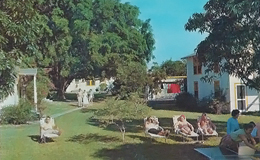
During my visits, Dr. Esser loved showing off the lush grounds of his Ranch, marked as they were by huge and abundant mango, citrus, and other fruit trees, the harvests from which he so generously shared.
Dr. Esser’s love affair with Natural Hygiene was exceeded only by the devotion he preserved for his family, particularly his daughter Lorelei (Rowars), his late son William, their spouses, and his many grandchildren.
Though we were decades apart in years, we shared a special bond when it came to Natural Hygiene. It is one of the greatest privileges of my life to have claimed him as a contemporary, mentor, and great personal friend.
Genuinely, it was a privilege to have known The Man, Bill Esser, for some 50 years. Few people, if any, in my lifetime of knowing many, in both the Christian culture and that defined his natural hygiene, would measure up to his standards. As a gentle soul, he was uniquely outstanding. Usually, this quality of spirit will result in a compromising and conforming person, but not with Bill Esser.
He constantly seemed to know his conviction with total dedication, but never with malice, abrasive, or caustic offensiveness – genuinely a remarkable individual. His central core of Christian values gave him a sense of purpose and direction, which could never be diverted by even extremely difficult trials that at times came his way. Assuming a leadership role in teaching any phase of truth results in many challenges. Bill was able to survive those challenges, thus proving his confidence was in the only one who could say, “I am the TRUTH.” Knowing the TRUTH had set him free.
Truly, the spirit of Bill Asser will live on in the presence of the One who provides The Infinite in loving forgiveness.
It was with considerable distress and sorrow that I learned of the passing of Dr. William Esser. I thought of him as a fine colleague, and he was greatly respected as a dedicated professional. He will be missed by all of us.
Over the almost 40 years I knew him, Dr. Esser was always friendly, courteous, and helpful, especially when I visited him at his ranch in Lake Worth. He generously gave me many old, out-of-print, historical works on hygiene, together with much valuable information on practice from his fund of knowledge, gleaned over the years of experience. His experience in Connecticut left its mark and has shaped his wisdom and understanding.
Although there is really nothing that can be said or written to alleviate the pain, his family feels, I hope they will understand that my thoughts are with them.
Like other pioneers of a ANHS and our movement, Dr. Esser was an inspiration to us and a role model of adherence to hygienic principles. In our 80s, we still benefit from his legacy of teaching and following the lifestyle that contributes to enduring health.
Early in life, William Esser demonstrated a unusual musical ability and became an accomplished pianist. His poetic nature made him well qualified to reach great prominence in the world of music, if a new and greater love, natural hygiene, had not occupied his mind after he, upon the advice of his father, matriculated at the American school of naturopathy and chiropractic. There is no doubt that modern American music lost a talented interpreter when William Esser became a natural hygienist.
In 1931, during his first term at the American School of Naturopathy, he became acquainted with the writings of Dr. Herbert Shelton, which he avidly read. At this phase of his professional career, William Esser became a natural hygienist.
When he entered the American School of Naturopathy, he placed himself in a non-medical wilderness; despite this, he remained unshaken in his belief in the great principles and practice of natural hygiene. In fact, what he experienced convinced him beyond doubt that natural hygiene was the fundamental movement.
The NHA wishes to remind the readers that nothing in this or other publications is intended to constitute medical treatment or advice. Readers should be aware that some previous publications do not reflect the NHA’s current health teachings or approach to health in several areas.
Our Mission
The mission of the National Health Association is to educate and empower individuals to understand that health results from healthy living. We recognize the integration of all aspects of health: personal, environmental, and social.
We communicate the benefits of a plant-based diet, exercise and rest, a healthy environment, psychological well-being, and when indicated, the use of fasting.
Welcome to the new home of the National Health Association!
If you are an existing member, you will need to reset your password in order to log in and take advantage of all the great benefits being a member provides—which now includes the ability to update your own contact information (address, phone number, email, upload a picture and much more). Please start by clicking the Register/Log In button and follow the instructions on that page. Once your password is reset, you will use your email address as your username. You no longer have or need a Member Number. Please contact us if you have questions—and thanks for your support!
SUBSCRIBE TODAY AND NEVER MISS AN UPDATE
Subscribe to receive our free eNewsletter and other communications from the NHA!





 SUBSCRIBE TODAY AND NEVER MISS AN UPDATE