

Photo Courtesy of Mark Huberman
1930 – 2016
Alec’s journey began at the age of eleven, when he entered secondary school, where he quickly developed a keen interest in health and science. Demonstrating exceptional dedication, he undertook a rigorous course load, often carrying up to ten subjects at a time. His hard work culminated in success when he graduated at the age of sixteen, securing a government scholarship for medical school. This opportunity marked the beginning of a five-year commitment to his medical education.
In 1946, Burton began his medical studies at Manchester University. Alongside his academic pursuits, he developed a keen interest in exercise, becoming an accomplished cyclist who participated in competitive races across Britain and Europe. His dedication to health and fitness was evident. However, he noted a significant gap in medical education at that time; the curriculum contained no information on critical lifestyle factors such as diet, exercise, and psychology. This lack of emphasis on holistic health perspectives marked a stark contrast to Burton’s personal convictions regarding the importance of these elements in medical practice.
During his third year in medical school, Burton experienced acute appendicitis. Having spent the previous six months on the wards, he was acutely aware of the dangers associated with this condition. His family doctor, after consulting a specialist, recommended immediate surgery, warning of potential death should he delay. Distressed and in significant pain, Burton’s parents encouraged him to seek a second opinion. Dr. Malcolm Anderson Black, a naturopath from America, confirmed the diagnosis but proposed a radical alternative: he advised Burton to abstain from food and drink until morning. Despite being in agony, Burton complied. Remarkably, his fever subsided overnight. After fasting for a week, he returned to medical school, never to have appendicitis troubles again, which opened his mind to alternative medical possibilities.
This period marked a pivotal change in Burton’s lifestyle, spurred by Dr. Black, a noted food reformer. Dr. Black refrained from identifying as a hygienist; had he embraced hygiene principles, he would have opted for that designation. Prior to his appendicitis, Burton would have dismissed such treatment methods. However, the experience taught him that the human body possesses self-healing capabilities. Upon returning to medical school, Burton maintained his connection with Dr. Black, who lent him books by Dr. Herbert Shelton and Dr. John H. Tilden, as well as magazines from the United States. As he corresponded with Dr. Herbert Shelton, Burton acquired additional literature, gradually transforming his lifestyle and outlook.

Gradually, Burton recognized that he was pursuing the wrong path and began to explore the principles of Natural Hygiene. After his third year, he chose to leave medical school, feeling that the education he sought, focused on diet, nutrition, exercise, fresh air, sunlight, and the foundations of healthy living, was not being provided. His professor remarked, “We are too busy treating disease to address these matters. Our concern lies with the sick, not the healthy, who can manage on their own.” This statement encapsulated Burton’s understanding of conventional medicine. As he embraced Natural Hygiene, he later reflected that he should have completed his medical degree, acknowledging the formidable influence of the medical establishment, which deemed it unethical for a physician to associate with non-medical practitioners, risking the loss of their license.
Burton enrolled in a chiropractic school located in southern Manchester, which was operated by graduates from the US, including Dean Dr. Stanley Lief and Dr. Malcolm Black. Although the program was designed as a four-year course, Burton completed it in just three years. In addition to chiropractic education, this institution also offered a curriculum in Naturopathy, which he pursued concurrently for an additional three years. This dual focus on both chiropractic and naturopathic principles significantly broadened his understanding of holistic health and wellness, further solidifying his commitment to these fields.
While in London, Burton met Dr. Jorge Hall, a fellow naturopath. Recognizing a shared vision, they collaborated to establish the Natural Hygiene Society. This organization aimed to promote the principles of natural hygiene and educate the public on the importance of health through natural methods. The founding of this society marked a significant step in Burton’s commitment to advocating for holistic health practices, as he sought to create a community dedicated to these ideals.
Upon obtaining his chiropractic qualification, Burton worked at several fasting institutes, including Champney’s in Hertfordshire with Dr. Stanley Lief, Drexel on the South Coast, and Bethlehem Royal Hospital. Each institute employed distinct procedures, such as salt rubs, hydrotherapy, colonic irrigations, and enemas. Through these experiences, Burton learned what not to do when treating the sick, as he found these methods to be profoundly enervating. Furthermore, he observed that patients were subjected to strenuous exercise routines towards the end of their fasts, often leaving them so fatigued that they required assistance to return to their beds. These observations significantly shaped his understanding of effective patient care.
Burton expanded his interests to include psychology and enrolled at London University. He dedicated the requisite two years at Bethlehem Memorial Hospital in Kent. During this period, he expressed to the institution’s registrar that he had yet to witness any patients recover. The treatment methods employed included shock therapy, insulin therapy, antidepressants, and large doses of various medications. This experience raised significant concerns for Burton regarding the efficacy of these treatments and highlighted a troubling trend in psychiatric care that he found deeply disturbing.
Quote“Medical people never see an actual history of disease; they never see an uncomplicated case; they never see a case of disease in its initiation, during its actual manifestation, and then the gradual resting of the actions of the body when there is a satisfactory conclusion (which is what one observes in Hygienic practice.)”
Alec Burton – From Health Science Magazine – Jun/Jul 1980
Upon completing his education, Burton accepted a position as the Medical Director at a health center in Australia. However, when he discovered that the center’s owner prioritized interests other than patient well-being, he made the difficult decision to resign. With the support of former patients, Burton established his own health clinic in Sydney. This transition marked a significant step in his career, as he sought to create an environment focused on genuine health care and the well-being of his patients.
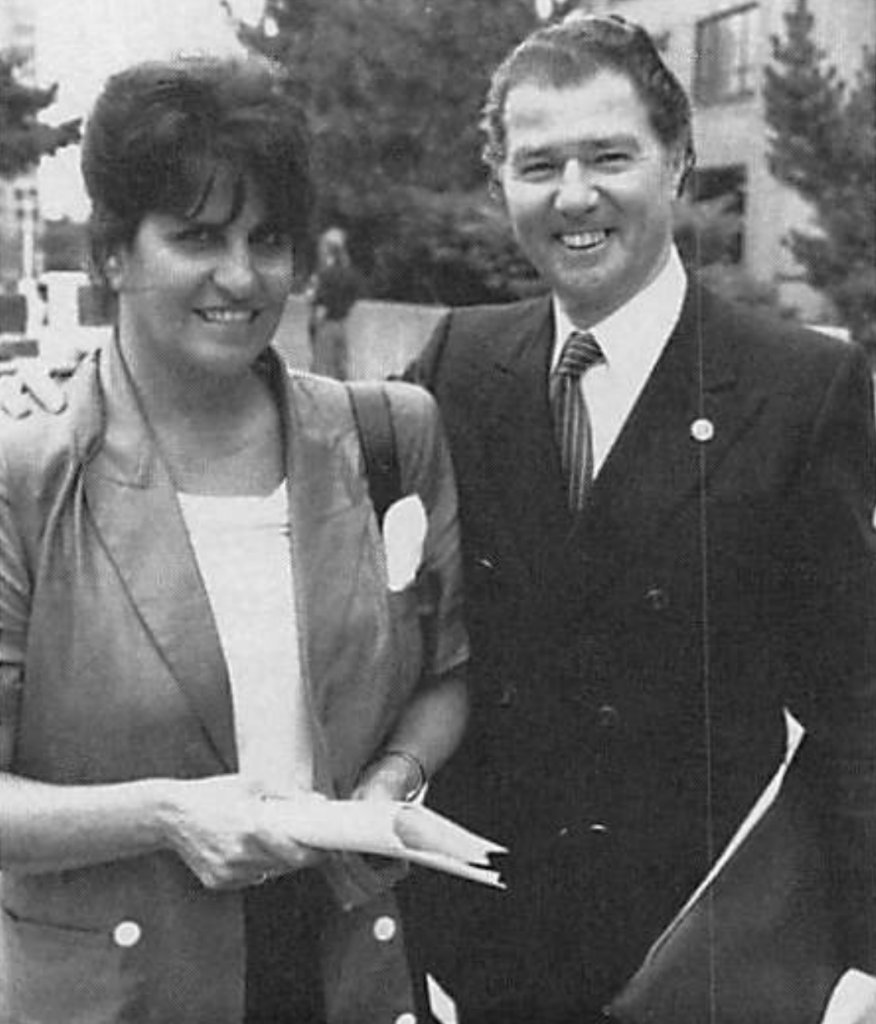
Alec and Nejla co-directed the Arcadia Health Centre, a visionary institution established to provide Hygienic care and promote healthy lifestyle education.
From the magazine Health Science Nov/Dec 1990
In the United States, osteopaths are recognized and accepted on par with medical doctors. Conversely, in Australia, osteopaths are not licensed. In England, while osteopaths are registered and practice under the National Health Service, they do not enjoy the same status as medical practitioners. Reflecting on his experiences, he considered that had he remained in England to practice, he likely would not have encountered any legal issues. Notably, there are no formal degrees or licenses for Natural Hygiene anywhere in the world, and the field is not widely accepted; in fact, it may even face criticism and opposition.
Dr. Burton faced three counts of manslaughter related to a comment made regarding a patient’s condition via telephone. He successfully defended himself and won all three counts decisively.
In 1970, Nejla met her future husband, Dr. Alec Burton. From a young age, she exhibited a curiosity that challenged conventional approaches to treating the sick, finding the logic of the Hygienic system particularly appealing. Her introduction to Natural Hygiene came through her brother, a university professor in Melbourne, Australia, who praised Dr. Burton’s compelling arguments for health. He commented, “This chap presents an excellent argument for health!”
Nejla’s path intertwined with Dr. Burton’s when her mother arranged a consultation with him, leading to a close personal and professional relationship founded on shared interests in psychology, medicine, science, and philosophy. By 1976, when they married, Nejla was a psychology major at Macquarie University in Sydney. After completing her studies, she worked as a clinical psychologist at the Arcadia Health Centre. Her growing interest in Natural Hygiene motivated her to pursue a degree in osteopathic medicine. In 1985, she graduated with a Doctor of Osteopathy (D.O.) and completed an internship in fasting supervision with Dr. Burton, qualifying for membership in the International Association of Hygienic Physicians (IAHP). Subsequently, she served as president of IAHP. Nejla also earned a master’s degree in chiropractic from Macquarie University and graduated from the Sydney Conservatorium of Music in pianoforte. Together, the couple traveled and lectured on health topics globally, becoming esteemed speakers at the annual ANHS International Natural Living Conferences.
Alec and Nejla co-directed the Arcadia Health Centre, a visionary institution established to provide Hygienic care and promote healthy lifestyle education. They aspired to create a sanctuary where individuals could receive supervision and fully experience the essential components of Hygiene. Recognizing the body’s fundamental needs—such as air, water, sunlight, rest, sleep, food, and exercise—they aimed to harness the body’s self-healing properties by carefully manipulating these factors.
Situated in a tranquil rural setting approximately 25 miles from Sydney, the Centre spanned 10 acres of land resembling a wildlife sanctuary. Surrounded by dense bushland, it provided an idyllic environment for 62 varieties of birds, including cockatoos and kookaburras, amidst expansive gardens, decks, and a swimming pool. This serene atmosphere was conducive to Hygienic practices, as the facility was designed to accommodate 10 to 20 individuals at a time, offering a peaceful retreat dedicated to health and wellness.
Dr. Alec Burton shared:
Upon establishing the clinic, I received a call from the supervising doctor at the Department of Health. He inquired, “Is this the hospital?” I responded, “No, this is not the hospital; you must have the wrong number.” He insisted, “Do not play games with me. Is this the Archadia Health Clinic at such-and-such a number?” I confirmed, “Yes, that is our number.”
He then stated, “I believe you have some sick people out there.” I acknowledged, “Yes, we do have some very sick individuals here.” He pressed, “What are you doing to them?” I replied, “We are not doing anything to them.” He continued, “What treatment are they receiving?” I clarified, “They are not receiving any treatment. They have had enough treatment by the time they arrive here.” Frustrated, he exclaimed, “I will come out and inspect this place.”
He arrived with detectives from the Vice Squad, inspected the facility, spoke with the patients, took water samples for analysis—suspecting we were contaminating the water—and confiscated several of my books, case histories, and instruments before departing. Six weeks later, I received a call to retrieve my belongings, and I never heard from them again.
Throughout their tenure at The Arcadia Health Centre, Drs. Alec and Nejla supervised over 30,000 fasts. Their methodology focused on Hygienic care, aiming to eliminate the underlying causes of disease, whether physical, mental, or emotional. They sought to educate patients on respecting their limitations and adopting a Hygienic lifestyle. Unlike conventional medical practices, their approach did not include medications, supplements, treatments, or therapeutic procedures; instead, it emphasized healthcare over disease treatment.
One of the most challenging aspects of their practice was the time dedicated to each patient. Understanding a patient’s issues, their causes, and consequences necessitated an investment of time that most practitioners do not afford. In conventional settings, where a doctor may spend only 10 to 15 minutes with a patient, it is virtually impossible to grasp the complexities of chronic conditions, thereby limiting the potential for effective assistance. Drs. Alec and Nejla believed that meaningful patient care required a more comprehensive engagement.
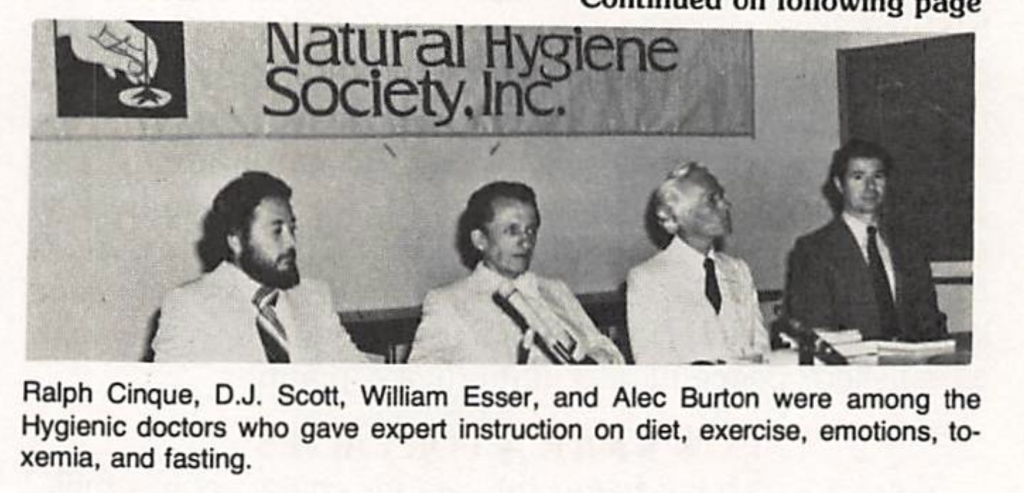
At the Arcadia Health Centre, numerous interns engaged in rigorous training programs to obtain certification in fasting supervision. These individuals transformed into dedicated professionals, deeply committed to the principles of Hygienic philosophy. Their growth exemplifies the Centre’s strong focus on education and practical application within a holistic approach to health. Moreover, the Arcadia Health Centre served as the headquarters for the Australian Natural Hygiene Society, which was founded by Alec in 1961. The Society conducted a highly regarded two-year course, meticulously compiled by Alec, which gained significant popularity among participants. In addition to the course, the Society published a newsletter and organized regular lectures and seminars, each designed to engage and inform a broad audience on the principles of Natural Hygiene. This initiative played a crucial role in promoting the Hygienic philosophy and expanding its reach within the community.
The Arcadia Health Centre served as the esteemed headquarters of the Australian Natural Hygiene Society, founded by Alec in 1961. The Society offered a distinguished two-year course, meticulously developed by Alec, which gained remarkable popularity among participants eager to delve into the principles of Natural Hygiene. In addition to this comprehensive course, the Society published a regular newsletter and organized engaging lectures and seminars. Each of these initiatives was carefully designed to inform and inspire a diverse audience regarding the tenets of Natural Hygiene. Through these efforts, the Society played a pivotal role in promoting the Hygienic philosophy and significantly expanding its influence within the community.
Dr. Burton maintained that fasting allows the body to restore a degree of normalcy. He asserted that fasting itself does not directly facilitate healing; rather, it signifies a cessation of bodily activities, permitting the body to engage in a form of intelligent rest. He noted that during fasting, significant elimination occurs, and tumors or growths may serve as a source of nutritive reserves, which could potentially be reabsorbed during the recuperation phase.
His patients demonstrated increased activity levels and experienced a swift restoration of health while fasting, which he characterized as a profound form of physiological rest. During fasting, the energy typically expended on eating, digesting, absorbing, and circulating food is conserved, allowing for a greater allocation of energy toward repair processes. Consequently, recuperation occurs at an accelerated rate, positioning fasting as a genuine catalyst for regeneration and rejuvenation.
During the fasting period, Dr. Burton utilized blood testing as an essential tool for monitoring his patients. He believed that this practice enabled him to more accurately determine the appropriate duration of an individual’s fast. As a fast neared its conclusion and the body began to increase protein breakdown, a rise in nitrogen excretion would occur. This biochemical change, which is challenging to assess without laboratory analysis, indicates that the body is transitioning from primarily relying on ketones derived from fat to breaking down body protein—a process he aimed to avoid.
In addition to biochemical testing, Dr. Burton emphasized the critical importance of monitoring other vital signs, such as an irregular pulse, difficulty breathing, a rapid drop in blood pressure, and fluctuations in body temperature. He firmly believed that having a comprehensive understanding of these indicators would enhance his ability to effectively manage patient care during fasting.
On March 21, 2016, the Natural Hygiene Association (NHA) and the Natural Hygiene Movement mourned the loss of one of their most influential voices and leaders, the legendary Dr. Alec Burton. Dr. Burton first lectured at an NHA conference in 1967 and swiftly assumed the leadership mantle previously held by the late Dr. Herbert Shelton. Like Dr. Shelton, Dr. Burton exhibited an unwavering commitment to the core principles of Natural Hygiene, articulating them with remarkable clarity and conviction.
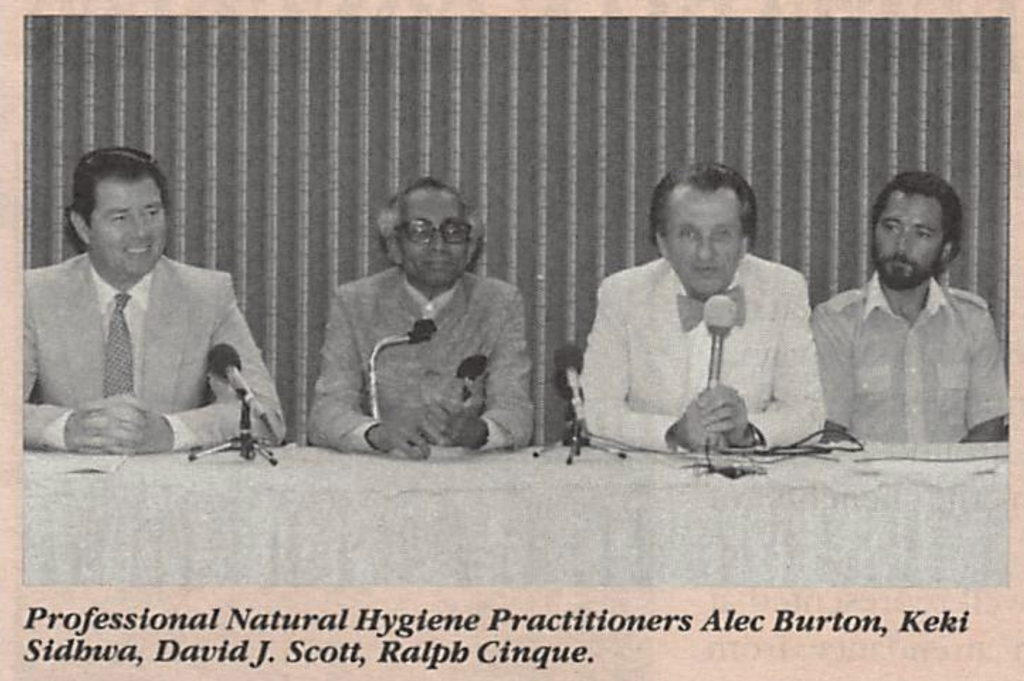
Dr. Burton advanced Dr. Shelton’s teachings by insisting on demonstrating scientific validity for all theories and practices. When scientific support was lacking, he pointed it out with equal transparency and rigor. Furthermore, Dr. Burton shared, along with Dr. Shelton, a profound dedication to mentoring and inspiring future Hygienic physicians. While Dr. Shelton trained and inspired notable figures such as Drs. Benesh, Esser, Scott, Gross, Brosious, and Sidhwa, as well as Dr. Burton, similarly guided an entirely new generation, including Drs. Goldhamer, Cridland, Cinque, Sabatino, and Fuhrman.

Respected and revered by thousands of NHA members, Dr. Burton transformed the lives of those who regained their health under his care and inspired many through his powerful message and extraordinary personality. This appreciation is echoed in numerous heartfelt tributes, reflecting that Dr. Burton was a “man for all seasons.” His legacy will undoubtedly endure for years to come.
Principles of Natural Healing

- Healing is a biological process. It takes place in a lawful and orderly sequence of repair and growth. It does not occur spontaneously without a due course of time.
- The establishment of health requires the removal of the causes of disease. If the therapist does not provide this, it is suspect.
- The organism has specific fundamental needs, which represent the materials and influences it requires to survive. If the proposed “cure “or “remedy” has no normal relationship to the organism and does not provide for any “need, “then its efficacy is questionable.
- Pain relief may occur for many reasons, some of which may be useful and genuine. However, palliation of symptoms does not imply health improvement, nor do the methods employed to achieve this necessarily contribute to it. In fact, the converse is often true. This is clearly demonstrated in the asthma medication. Every time a paroxysm is relieved, health is impaired – often, of course, imperceptibly.
- Many things (treatments, remedies, etc) used on the sick are relatively innocuous, albeit absolutely useless, and their employment merely serves to delay the implementation of more rational and effective measures. The longer the causes are permitted to have their effect, the greater the deterioration in health.
- Carefully analyze claims. Do they seem reasonable? Anything good for the sick is good for the well. If it is dangerous for the well, it is equally so for the sick. Of course, there may be vigorous arguments against this. Open-heart surgery may save a sick man’s life, but it would be dangerous for the well. In point of fact, it is dangerous for the sick, too. It’s a choice between undesirable alternatives, which is often the case with the sick. All sorts of procedures may be justified in treating the sick, which would be unthinkable when applied to the well. But, no matter how justifiable, they are still dangerous, and inherently so. Common sense should assist in making a decision.
- From the magazine Health Science, May/Jun 1984
Is Hygiene a science, a way of life, or would you suggest another category?
Hygiene is basically a way of life and it’s a way of looking at life, an interpretation. It may use science, science may validate it, but in an area of actual Hygienic practice one cannot truly claim that what one is doing is scientific because to me, science is method. Man’s means of gaining knowledge is still his mind.
Science is the method he uses to confirm that knowledge. So I don’t see Hygiene as a science as such, but I think Hygiene is a logical system, based on science, physiology, biology, whichever way you look at it, and it starts with certain basic premises. The fundamental axiom is that the living body is self-constructing, self-defending, and self-repairing. That is its starting point; and its principles are developed from that premise.
They firmly believe that: “As you get old you must break down. As you get old you must get sick. As you die, you must die of disease.”
We, as Hygienists, have to try and teach people that this is all unnecessary, that health is much more than the absence of disease; that health is a positive dynamic state, and not merely a static condition of freedom from symptoms. We have to strive to communicate to people what itis that’s worth working for—why it is worthwhile—and that’s also why 1 think that people in the organization and the movement, should try to be good examples.
From the magazine Health Science, May/Jun 1984
What is the difference in perspective or knowledge between natural hygiene, doctors, and other doctors?

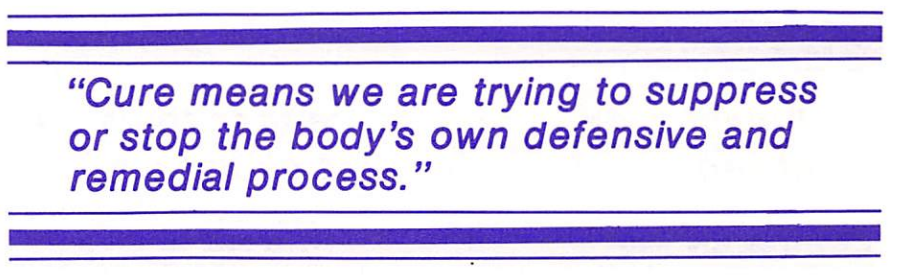
We’re all going to agree on the facts, but the Hygienist is going to have a different interpretation. In the medical system, disease is looked upon as a threat, as an evil, as something which has to be treated or cured, often very aggressively. The Hygienist interprets disease as a survival mechanism. We see it as part of an integrated physiological response to environmental changes and internal fluctuations which demand modifications in the body’s processes as a remedial purpose of action. Now this isn’t to say that disease is a defensive, remedial, reparative, adaptive process that is always successful. It isn’t; in fact, it often fails. Nevertheless, this philosophical bent, this understanding, is what I’m always trying to emphasize.
We must always be thinking in terms of fundamentals and in terms of principles. This is something that the Hygienist does considerably differently from the doctor of other schools. It is the Hygienist’s ability to fit the facts of physiology and science into the framework of his principles and philosophy that distinguishes him from the doctor of medicine or the doctor of osteopathy and so on.
From the magazine Health Science, May/Jun 1984
“In 1968, Dr. Alec Burton discussed The Biological Crisis of Man in this way:
Man is rapidly reaching a point which may be termed a biological crisis. All the chronic degenerative diseases are rapidly increasing. He is building bigger and better hospitals. He is training more physicians, nurses and technologists. He has reached a stage where it is necessary to have a large number of people in society concerned with the treatment of disease. A large percentage of the national income is spent on medicine and its satellites. Instead of better hospitals for better health, we have more physicians and more hospitals for the treatment of more diseases. The increase in the number of physicians and hospitals is not followed by an increase in the number of healthy people. It is not followed by an improvement in the health of the people.
“When will it dawn upon us that something is radically wrong with this system? When will we realize the need to revolutionize our ideas and concepts of health, disease and healing? A mere petty reform is insufficient. “The whole approach to the problem must be fundamentally changed if we are to avert the biological crisis which is fast approaching.”
From: The Greatest Health Discovery
By Sylvester Graham, Russell T. Trall, and Herbert M. Shelton

The Passing of a Legend: Alec Burton, D.O., D.C.
From the magazine Health Science, Spring 2016
Nejla Burton Shares
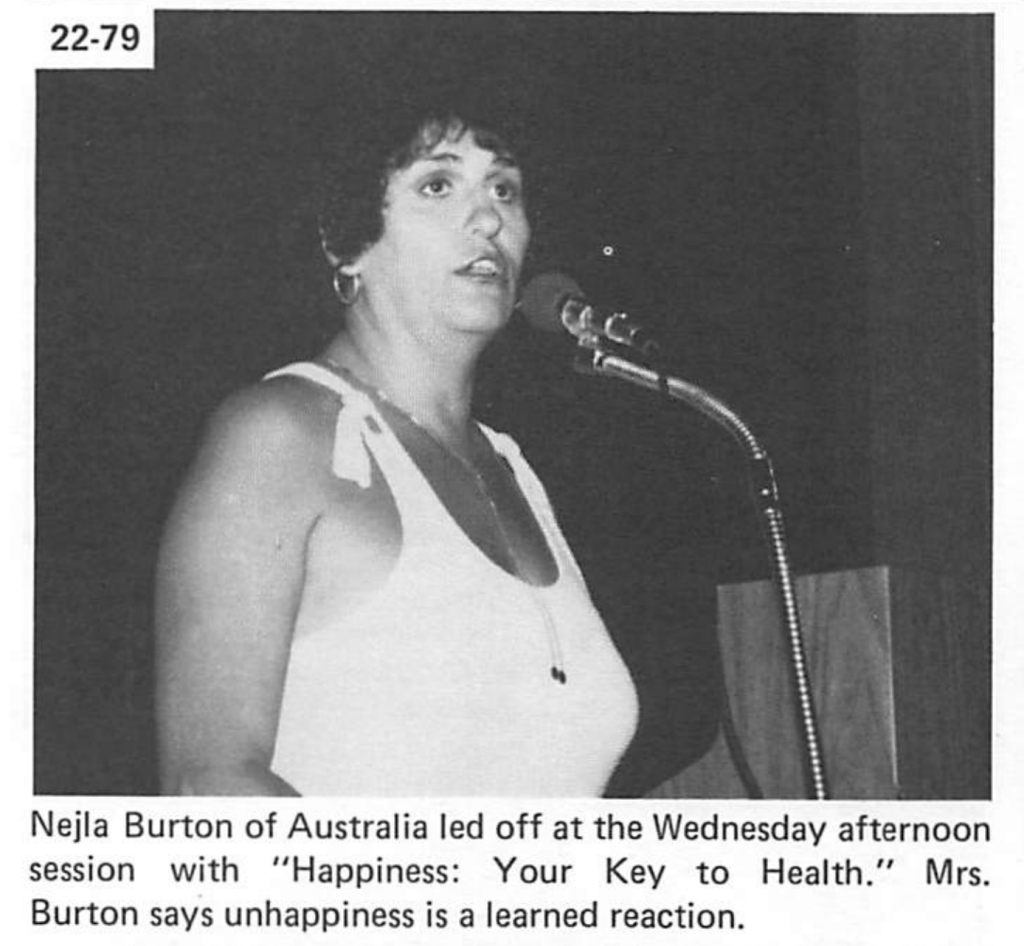
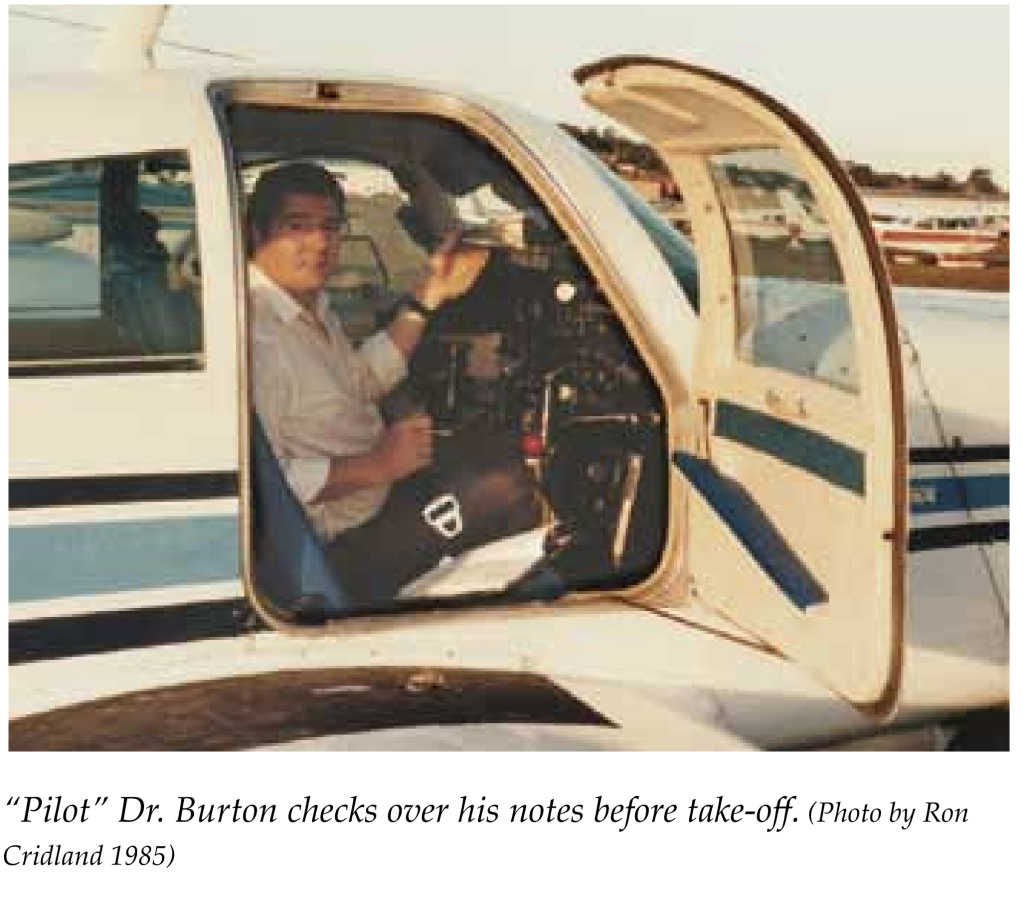
People who met Alec loved him: children as well as adults. When we met in 1970, there was an almost complete “interface” that we had found our intellectual best other half. Since then, we have developed an unshakeable alliance and spent our lives together 24 hours a day, every day, on our work and play. Who was Alec? Alec was an intellectual, scholar, writer, and researcher, with a brilliant mind and, above all, a visionary pioneer, world-renowned practitioner, and educator. He had a captivating personal presence, wit, gentleness, and kindness. His passion for excellent work, scientific endeavor, and philosophy was matched by his passion for life and the multitude of activities in which he excelled, including cycling, sailing, flying, music, cultural pursuits, and art. With his extensive knowledge, he had an answer for almost everything, and if he did not find the answer immediately, he would say, “Let me give it some thought,” and would come back with an answer. Between us, we developed a worthwhile life by recognizing Socrates’ dictum, “An unexamined life is not worth living,” and living by being fully human. We experienced our life through our work, travelling the world with a constant thirst for more and more knowledge. But Alec’s most fundamental qualities were his exceptional knowledge of Natural Hygiene, his writings, his care for humanity, and his devotion and compassion to the thousands of sick and broken people. His uncompromising honesty and integrity in his education of our patients, what they should do, and the necessary changes to get well, were evident to all. He was a man for all seasons. And so my dear brother, Edward, called him “Saint Alec.” He loved our families. His devotion and love for me have sustained me all of these years. He was worthy of my devotion and unlimited love.

Alec wanted me to continue our work, and so I will. But he would also say, “Don’t forget to live,” lieben und arbeiten, as Freud put it. And he wanted all humanity to follow our adage: Carpe Diem! Alec! You have protected me from life’s misadventures, but alas, you could not protect me from life’s ultimate misadventure! And, thus, we are here today, my darling. The world has lost you, and we are all diminished. I miss you every hour of every day. You have been part of my life for nearly half a century, and so I will live my life with you included in it. You will continue to live your life through my life. Your legacy as a world-renowned pioneer, visionary practitioner, and educator restoring health to thousands of patients will live on. You will remain an inspiration to all truth-seekers. But right now, there is a flood of tears because of my unbearable sorrow. Adieu, Alec! Adieu, mon amour. Adieu, my beloved, the love of my life.
Alan Goldhamer, D.C. (Santa Rosa, CA)
Alec Burton was the most influential person in my professional life. His elucidation of the principles of Natural Hygiene was the inspiration for me to pursue a healthcare career. He and Nejla’s generosity in allowing me to come to Australia to complete an internship and train in the use of fasting allowed me to acquire the skills and confidence to open the TrueNorth Health Center over 30 years ago. He was a physician and philosopher with a keen wit and will be missed but not forgotten.
Frank Sabatino, D.C. (Lauderdale by the Sea, FL)
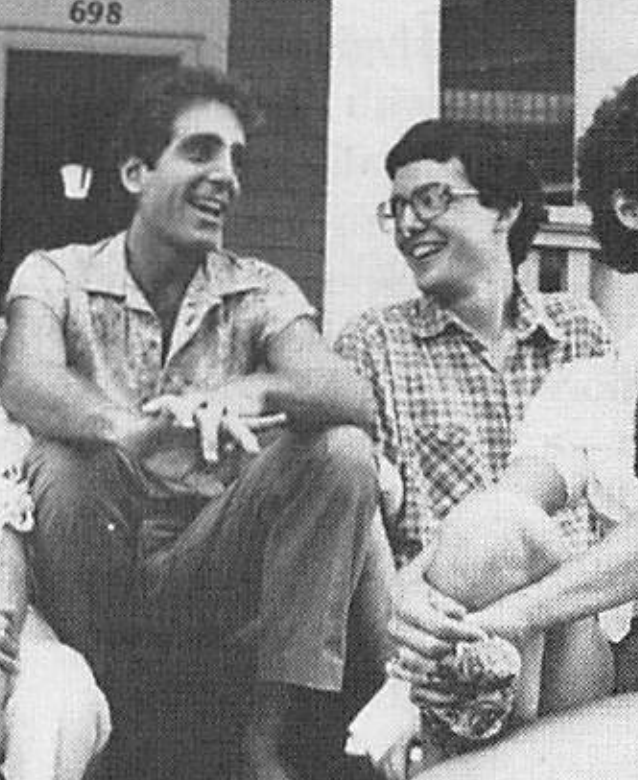
When I read my emails on Easter Sunday morning, I was moved to stunned silence as I first learned about the death of Dr. Alec Burton. I had no idea how sick or injured Alec was, but I have always experienced and pictured him as a robust, larger-than-life person who could never die. I always felt and shared a special bond, friendship, and kinship with Alec and his wife, Dr. Nejla Burton. No matter how much time had passed between our social or professional meetings, like all special friendships, it always felt like no time had passed at all. My heart and condolences go out to Nejla in this time of grief and loss. I met Alec over 40 years ago when I was a chiropractic student and fledgling Hygienic practitioner. When I first heard Alec speak at Hygienic conventions, I was blown away by his wealth of knowledge and his ability to articulate the philosophy of Natural Hygiene like no one else. After hearing him speak, I got so much more turned on to Hygiene and I remember feeling that I wanted to be him. With his incredible sense of humor, suave demeanor, and, of course, that impeccable voice and English accent, I think Alec could have stood at a podium, read the phone book, and made an audience swoon. In all the years of knowing Alec, I was always impressed by how gracious and generous he was with his time, experience, and knowledge. Whether it was sharing some new jokes or engaging in deep conversations about problem cases, Hygienic philosophy, or personal problems and concerns, he always made time for other practitioners and me. I am so grateful that I had the opportunity to stand on the shoulders of an icon like Alec Burton to benefit from his remarkable expertise and use his knowledge as a starting point for my own growth as a person and Hygienic physician. Alec was a true Renaissance man: a physician, scholar, philosopher, sailor, sportsman and an accomplished classical guitarist. He truly walked the talk of Hygienic living, working tirelessly to provide the highest quality fasting care for the people who were fortunate enough to experience his counsel, and balancing that work by playing just as hard, sailing, and travelling around the world with Nejla. Simply put, the world has lost a great man and one of the most iconic, erudite philosophers, teachers and physicians of the Natural Hygiene Movement. I have lost my favorite mentor and a very special friend. I will miss you, Alec. I will miss you, brother.
Ron Cridland, M.D. (Kelowna, British Columbia)
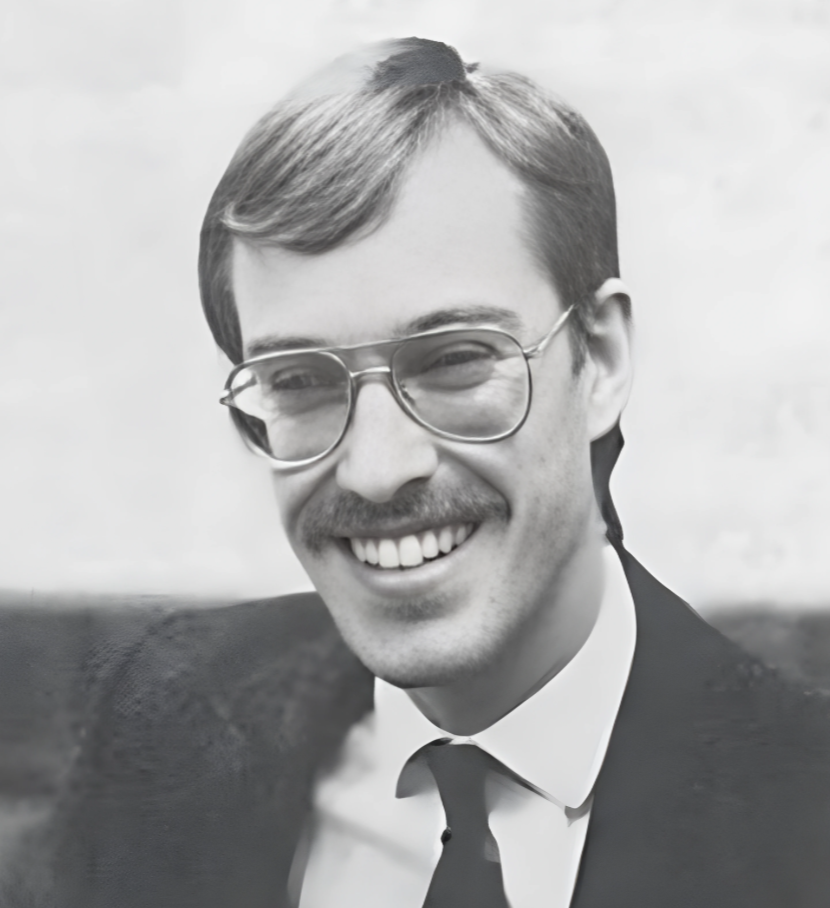
I am very sad to hear of Dr. Burton’s passing. Alec was my most influential Natural Hygiene practitioner when I first became involved with what was then called “Natural Hygiene.” In 1975, my mom was searching for answers to her health problems and discovered Natural Hygiene through the Canadian Natural Hygiene Society in Toronto. We read books by Shelton, Vetrano, Sidwa, Trop, and others, and our whole family became vegetarian that year. I remember going to my first American Natural Hygiene Society conference in 1976, which I believe was in Bowling Green, Ohio. The lecturer who stood out the most to me was Dr. Alec Burton. He was smart, funny, serious, and knowledgeable, all in one package. I started university that fall and was determined to use this health knowledge to help others. After learning that a number of the hygienic chiropractic and naturopathic practitioners were being charged with “practicing medicine without a license,“ I decided that a degree in medicine would give me the most protection to be able to practice the way I saw fit. I had just completed my first year in medicine when I attended my next conference in 1979. I went to a practitioner meeting, and they were a bit suspicious of someone with a medical background; they told me to come back when I had my license to practice. I completed my residency in 1984 and went to the conference that summer. At a practitioner meeting, Dr. Burton was the first one to offer me an internship at his clinic near Sydney, Australia. It was a dream come true. I had been hoping to learn from this man since I first heard him speak. Most of Hygiene made sense, but some of it didn’t. I had been dying to ask him his thoughts about a number of the things that puzzled me. I did a six-month internship with him that winter. We had some great discussions about hygiene. He was also a philosopher. He had degrees in chiropractic from England and osteopathy from Australia. He was president of the Pacific Coast Osteopathic Society when we were in Australia. I learned some valuable things about osteopathy that I still apply in my medical practice today. Of course, the main experience I had was in fasting supervision. Dr. Alan Goldhamer had been Alec’s first intern the year before, and I was his second. Our practices and policies were both tremendously influenced by our time with Dr. Burton. Not only was Alec an excellent physician and philosopher, he also played the classical guitar beautifully and was an avid cyclist, sailor, and pilot. We went sailing on his catamaran almost every week. I was familiar with sailing dinghies and windsurfers, but had little experience with catamarans. Alec had a custom cruising catamaran built that he named “Endorfin,” after the hormone “endorphin” that is released during exercise and excitement. It was a fitting name for a boat owned by a sportsman and an expert in physiology. I sincerely regret not taking the time to visit Alec and Nejla again to take a cruise with them. Dr. Alec Burton was not only a true gentleman and a scholar, but he was also a good friend, a tremendous mentor, an excellent physician, and one of the best spokesmen for natural health we ever had. He will be missed.
Ralph Cinque, D.C. (Buda, Texas)
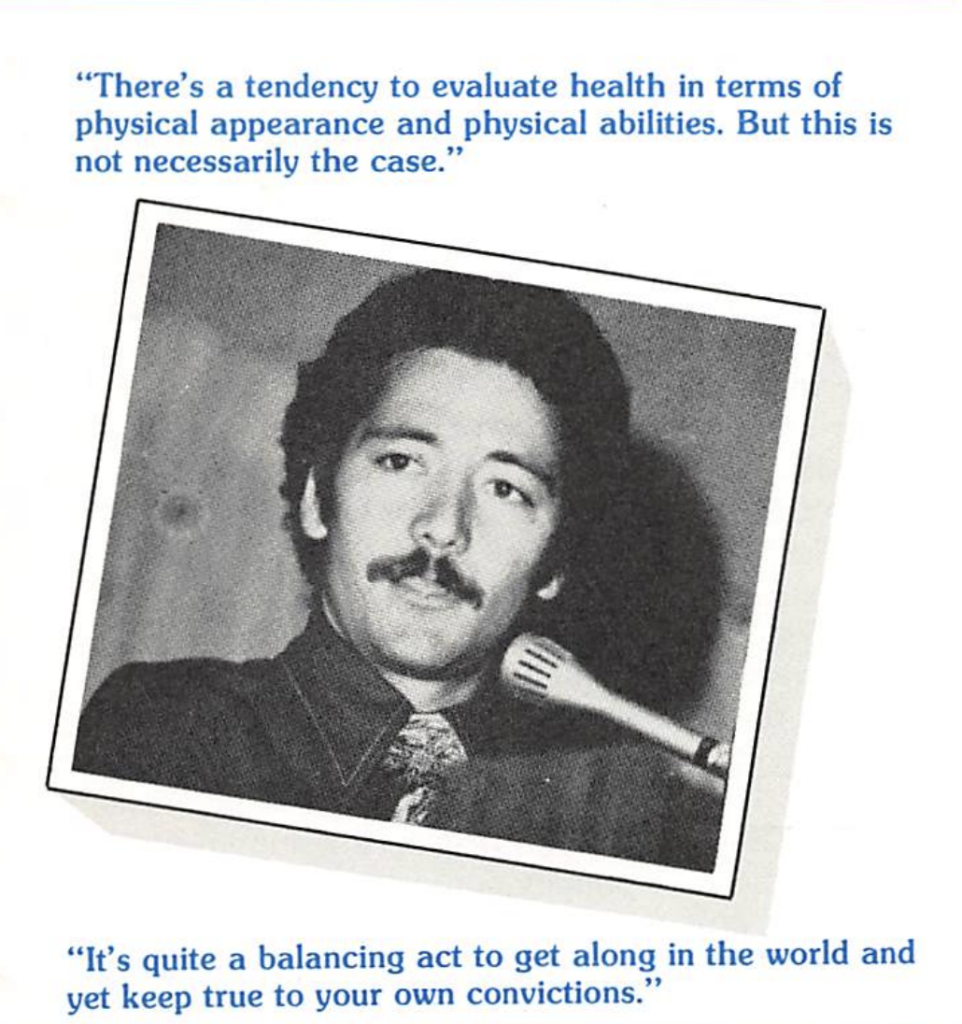
It is staggering to lose Alec Burton. Although we all know that everyone has to die, and the fight against death is one that everyone has to lose, it still seems like if anyone had the strength and vitality to beat it, it was him. He just didn’t seem like the dying kind. Alec Burton had a brilliant intellect, and I think it’s fair to say that he had the keenest intellect of anyone who was involved in the Natural Hygiene Movement. I think it was widely recognized, if not directly stated, that he was the sharpest knife in the drawer. He brought stature and prestige to the Natural Hygiene Movement. He gave more than he got, by a long shot. And, he was highly revered. I spent some months with Alec in Australia in 1989, and it was the same way there; he was highly revered. I met doctors there, of all stripes, who knew him, including medical doctors, and they all spoke of him in the highest, most respectful terms. His Arcadia Health Centre was like a beacon, or you might say a lighthouse, of health truth, and it drew people from all over the world. He conducted some very lengthy fasts there, which people undertook with confidence because they had confidence in him. Alec had many interests, and he excelled at everything he pursued. We hear of people who live life on their own terms, but of no one was that more true than Alec Burton. Whether he was piloting a boat or a plane, you always knew you were in good hands—the best of hands—if they were Alec Burton’s. Alec Burton was a giant among us, and it was a privilege to know him. Right now, I am recalling the ending of the movie, El Cid, starring Charlton Heston. El Cid, the leader, had died, but the battle wasn’t over. So, they propped his armored body on a horse so that he could lead the men on the next charge. Of course, that was fiction, but still, I can understand the feeling. Isn’t that how we all feel about Alec Burton?

Joel Fuhrman, M.D. (Flemington, NJ)
We were all friends with Alec in different ways. He touched all of our lives profoundly. I first met Alec Burton at a Natural Hygiene conference when I was about 20 years old, long before I decided to go to medical school. I thought he was the coolest teacher I ever met, and he spoke and looked like James Bond, and had a great sense of humor. He was always smiling, laughing, and telling jokes. I can even remember many of his jokes now. For example, like his patient that followed his instructions perfectly and gained weight. Finally, Alec, exasperated, said to the guy, “Did you eat anything else,” and the man responded, “Of course, wasn’t I supposed to eat my old diet, too?” I was not just impressed by his teachings, but also by his eagerness to be friendly and supportive, even when I was just a college student looking to learn whatever I could, and not certain that this was my career path. Alec certainly was a role model for me and played a role in my excitement about pursuing a career as a doctor. Of course getting to know Alec and Nejla over the years continually demonstrated their warmth and desire to be of service to others. I went through some tough and sad times in my life, and they were always there to help me with supportive phone calls and sage advice, as well as offering their expertise and their home. They gave thousands of people the world over hope and confidence in their quest for better health. It is sad to hear about Alec’s bike accident a few years back and now his death, though we all know he left a legacy of goodwill, of logic, of passion and, of course, health knowledge that he passed on to us of this generation and of generations to come.
Michael Klaper, M.D. (Santa Rosa, CA)
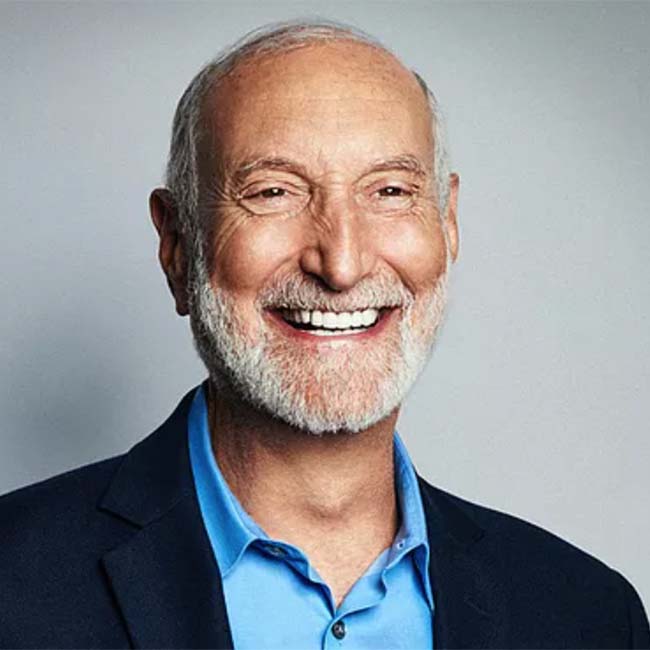
Photo courtesy of Dr. Klaper
It is with great sadness that I read of the recent passing of Dr. Alec Burton. As I entered the field of nutritional medicine over thirty years ago, I was desperately seeking validation from fellow medical professionals that plant-based nutrition was, indeed, a sound, safe, and effective strategy to recommend to my patients with degenerative diseases, like clogged arteries, diabetes, and autoimmune diseases. It was then that I first encountered Dr. Alec Burton, with his calm, confident, British countenance assuring me that not only was plant-based nutrition the key to disease-reversal and health maintenance, but that the ancient practice of water fasting, of which he was already a master, was an exceptionally powerful adjunct to the practitioner’s armamentarium. Over the years, on the “lecture trail” I would frequently cross paths with Alec and his wonderful wife, Nejla, herself a competent practitioner of natural medicine, and I never failed to not only learn more about nutritional medicine, but bask in the glow of Alec’s genuinely warm and loving persona. At these meetings, Alec and Nejla inevitably invited me to come and visit them at their home/clinic in Arcadia (near Sydney, Australia) and in 2009, I had the opportunity to do that. Not only did Alec and Nejla open their home and hearts to me on that visit, but, as a fellow cyclist, I was delighted to accept Alec’s invitation to ride the bike trails around Sydney as he shared with me his delight in his home city and his clinical work. My visit with them was topped off by fulfilling a long-held dream of mine: seeing a play at the famed Sydney Opera House. Alec had graciously (and magically) made three tickets appear at the last moment, and I will always treasure the rich moments that filled that magical visit with Alec and Nejla. Alec’s writing and teachings about therapeutic water fasting continue to influence me to this day as I work at TrueNorth Health Center in Santa Rosa, California. Water fasting is often a keystone of a participant’s stay at the Center, providing the needed “kickstart” to advance them along on their journey toward better health; of course, to be promoted and sustained by a whole-food, plant-based diet following the fast. The clinic director of TrueNorth, and my mentor when it comes to fasting, Dr. Alan Goldhamer, openly acknowledges the training and inspiration he received from Dr. Burton while he was studying with him in Australia, and, in that way, Dr. Burton’s knowledge and guidance continue to benefit my patients and me to this day. The world of natural healing—and, one could argue, the world in general—is far richer for the presence, work, and teachings of Dr. Alec Burton. I am proud to have counted him among my best professional teachers and my dearest of friends, and this doctor and student of healing (for I am both) will miss him greatly.
Doug Evans, D.O. (Australia)
Farewell, Alec Burton. It is with great sadness that I find myself writing this farewell. I know of no other health practitioner and educator who could match Alec’s depth of knowledge and insight. He had a profound impact on many aspects of my life. He was influential in my understanding of health and disease, the maintaining and regaining of optimal health, my philosophy of living, and indeed in the very direction of my life. Most importantly, he and his wife, Nejla, trained me in the process of health recovery, specifically regarding fasting. I remember the day I met Alec as a third-year osteopathic student, some 35 years ago. He was the newly appointed head of the osteopathic faculty, smartly dressed in a full suit and brogues, accompanied by his attenuated English/Manchester accent. His appearance was nearly as impressive as the way in which, with tact, intelligence, and humor, he dealt with that group of disgruntled students. Those qualities defined his interactions with all the students in his charge. At that time, Alec introduced me to another influential practitioner, a young doctor from the U.S., John McDougall, to whom he generously imparted many of his health insights. A couple of years later, I had the further fortune to do an internship with, and subsequently work for, Alec and Nejla at Arcadia Health Centre. My eight years at Arcadia gave me the most valuable experience of my professional life. While working there, I witnessed many and varied remarkable recoveries. As well as being an accomplished competitive cyclist, Alec was an enthusiastic sailor, and I am pleased to have shared a few sails with him. He had a great sense of humor and a talent for telling a story or a joke, and for acting out a prank. Here is an example: It was about noon on a warm summer’s day, and most of the patients were gathered about the pool. I was taking someone’s blood pressure, and Alec, in his suit and white coat, was attentively enquiring after each patient. He then suddenly and deliberately turned and walked straight into the deep end of the pool, disappeared to the bottom, and then popped up, got out, and laughed his head off. Everyone was in stitches. That’s how I will remember him. Thank you, Alec.
Greg Fitzgerald, D.C. (Australia)

Photo courtesy of Dr. Fitzgerald
Health for Life – Australia
I was truly blessed to have Alec as my osteopathic lecturer at college over 35 years ago. From the first lecture, his knowledge, wisdom, humor, and erudition impressed me, as it did so many others. Invited to attend his center as a student observer in those early years, I was struck by the fact that so many people with so many serious problems often found complete recovery by “doing nothing, intelligently.” Thus began my interest, involvement, and commitment to Natural Hygiene, and for that blessing, I thank Dr. Burton. Because I conducted an out-patient clinic and Alec had inpatient, live-in premises, I referred hundreds of patients literally to his Arcadia Health Centre, where they would receive wonderful Hygienic care from both him and his wife, Nejla. This care was unique in Sydney, if not Australia. It involved, commonly, fasting and a complete re-education in the patients’ mode of living. They were taught the unique and timeless principles of Natural Hygiene so that they would understand not only the need for behavioral change, but also paradigm change. Patients with multiple sclerosis, rheumatoid arthritis, hypertension, intractable migraines, diabetes and neuralgia, to name but a few, were all walking back to my clinic with glowing smiles, jubilant that they had been exposed to such a simple but profoundly effective health-care system. Many completely reversed their conditions, while others experienced considerable improvement. Numerous times, we spoke at each other’s seminars here in Sydney, where we would spread the word about the truths of Natural Hygiene. Alec was loved by all. Not only was he a giant in the Hygienic movement, but he also took an active interest in sailing (his boat was called “Endorfin”), bike riding (he owned over 20 push bikes), flying, history, music, architecture, philosophy, geography, and travelling. He cared deeply not only for his patients, but for the entire human race. He was a true humanitarian. He cared, loved, learned, shared, laughed, and truly lived. He loved the truth and was courageous until the end in his defense of it. His passing has left a huge void that will be sadly felt by many around the world. I spoke with Alec four weeks ago, and his words summed up his life’s philosophy: “Never stop learning, but also never forget how to live. Our health is the foundation upon which we truly live.” You have lived an extraordinary life, sweet friend.
Keki Sidhwa, N.D., D.O. (England)
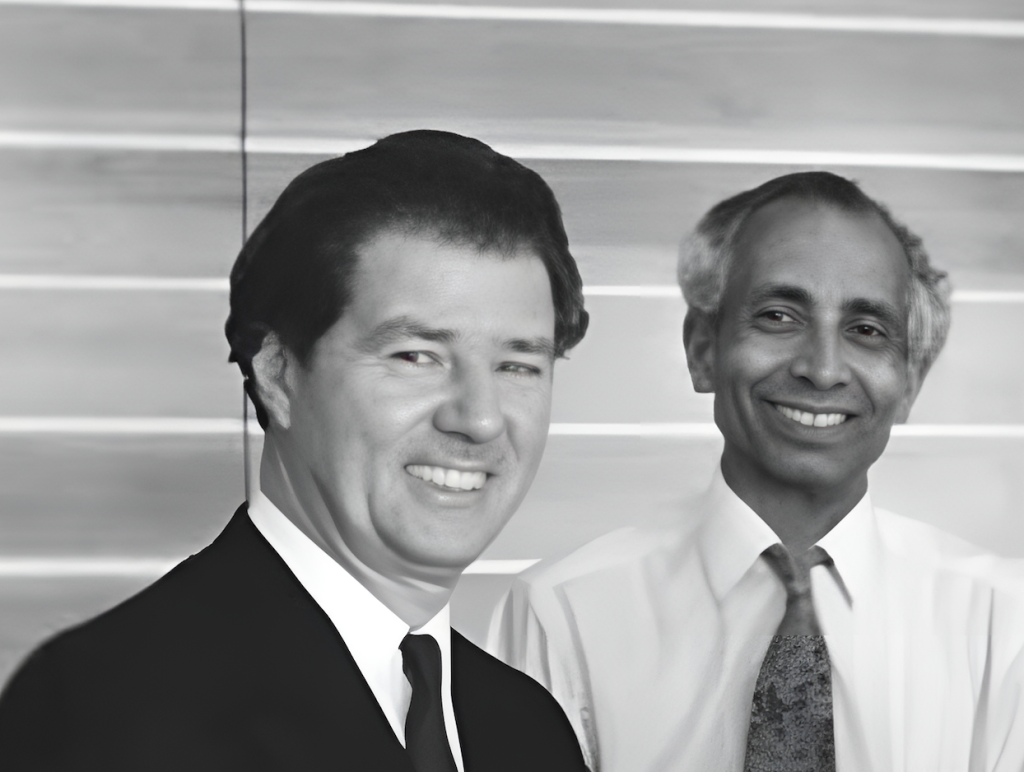
Photo: from the magazine Health Science – Fall 2018
As you know, Alec and I both studied at the British College of Naturopathy & Osteopathy at the same time and were very close friends. Alec, I, and George Hall were the founders of the British Natural Hygiene Society, and for the first year, George Hall edited the magazine The Hygienist. Alec then made the decision to move to Australia, and George decided not to continue with The Hygienist, so I edited the magazine for the next 55 years. All who knew Alec will miss him dearly, and so will I.
Stephan Esser, M.D. (Ponte Verde Beach, FL)
Dr. Burton epitomized what it meant to be a gentleman and a hygienic doctor. His passion for teaching and caring for others was exemplary, and his own “joie de vivre“ was palpable. May we all continue to be inspired to live our best and healthiest lives by his example.
T. Colin Campbell, Ph.D. (Ithaca, NY )
I met Alec for the first time around 1991. He and some others interviewed me for a personal problem that I was having with the speech that I thought was related to a very toxic chemical I had isolated over 25 years before, when I was at MIT. A couple of years later, its chemical structure was elucidated, and it proved to be dioxin. Alec and his friends (especially Alan Goldhamer, whose clinic I subsequently visited several times) were most helpful; so much so that I consider that occasion to have been one of the most important of my life, both personally and professionally. I then invited Alec and Nejla to come to Cornell so that Alec could lecture to my class—another highlight that informed us of the value and rewards of thinking outside the box, something we don’t do very well in academia. So, although I regret his passing, I want all to know, especially Nejla, that Alec Burton was a very special person in my life.

Jim Lennon (NHA Exec. Director 1986–2000, Tampa, FL)
The passing of Dr. Alec Burton is a tremendous loss. His long and well-lived life serves as an example and as inspiration for everyone dedicated to the great quest of “health for all.“ Dr. Burton devoted his life to seeking the truth about health and healing, learning how to practice it in his own life, and tirelessly sharing what he learned with others. Dr. Burton was an invaluable resource to his patients, whose lives he enhanced and frequently saved. He also helped educate and motivate tens of thousands of people worldwide through his lectures, radio and television appearances, writing, and audio recordings. He was a wonderful colleague and mentor to those of us fortunate enough to know him. He generously shared his camaraderie, wisdom, knowledge, experience, and tremendous love of life with us. All of the hygienic physicians from the 1830s to the present have made important contributions. Dr. Burton stands as a giant among them because, while being inspired by the philosophies and individual clinical experiences of those who came before him, he insisted on establishing a comprehensive scientific framework upon which hygienic physicians could base their research and practices. The wisdom of this approach is manifest in the extraordinary work being done by the current generation of doctors, many of whom have completed advanced training in their fields and are conducting groundbreaking research in health, recovery, longevity, and water-only fasting. My deepest sympathy goes out to Dr. Burton’s wife and colleague, Dr. Nejla Burton, who herself has made invaluable contributions while working alongside her beloved Alec as they endeavored to make the world a better place for all of us.
The NHA wishes to remind the readers that nothing in this or other publications is intended to constitute medical treatment or advice. Readers should be aware that some previous publications do not reflect the NHA’s current health teachings or approach to health in several areas.
Our Mission
The mission of the National Health Association is to educate and empower individuals to understand that health results from healthy living. We recognize the integration of all aspects of health: personal, environmental, and social.
We communicate the benefits of a plant-based diet, exercise and rest, a healthy environment, psychological well-being, and when indicated, the use of fasting.

 SUBSCRIBE TODAY AND NEVER MISS AN UPDATE