
Timeless Teachings and From the Archives are curated articles and excerpts reprinted in Health Science magazine from earlier decades, originally written by leading voices in the Natural Hygiene movement. These pieces preserve the foundational wisdom and insights that shaped the philosophy, offering enduring guidance on health, nutrition, and lifestyle.
By revisiting these classic works, readers gain access to time-tested principles that remain relevant today, connecting past thought leaders with current and future generations seeking a deeper understanding of natural health.
- Alcott, William
- Anderson, Robert W.
- Austin, Harriet
- Benesh, Gerald
- Davidson, Irving
- Densmore, Helen
- Esser, William
- Gian-Cursio, Christopher
- Gross, Robert
- Jackson, James C.
- Jennings, Isaac
- Nichols, Thomas
- Oswald, Felix
- Shelton, Herbert
- Sidhwa, Keki
- Tilden, John
- Trall, Russell T.
- Walter, Robert
- Way Dodds, Susanna
Alcott, William
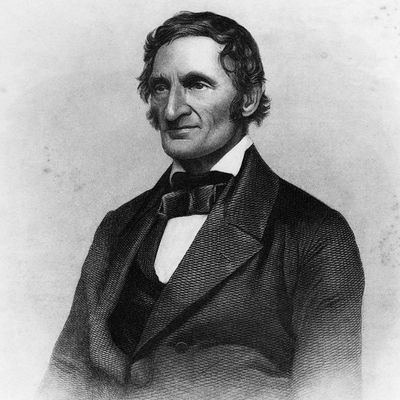
Photo courtesy of Wiki *
William A. Alcott was an author of over 100 books and a proponent of vegetarianism with a keen interest in civil, social, moral, and religious reform. In 1837, he co-founded The American Physiological Society, which was established to teach physiology, anatomy, and the nutrition of a vegetarian lifestyle. He was also a founding member and first president of the American Vegetarian Society (est. 1850) and played a leading role in spreading vegetarianism in the 1800s.
His best-known work, Vegetable Diet: As Sanctioned by Medical Men and By Experience in All Ages, is just as significant in the medical literature as it is in a vegetarian lifestyle. He later added many recipes, many of which were vegan, as Alcott promoted the health benefits of a healthy lifestyle without using animal products. Learn more about Dr. Alcott, a hygienic pioneer.
- 1980 (Jun/Jul) – From Our Hygienic Roots: Excerpt from the Laws of Health (1859). Alcott emphasized that practical knowledge of Hygiene—understanding how daily habits and surroundings affect health—was more important for most people than detailed knowledge of anatomy and physiology. He advocated teaching adults and children how to preserve and improve their health through everyday living. His goal was to make this essential health knowledge simple and understandable, even for young children.
Anderson, Robert W. – (ND) – (Rinebeck, NY)
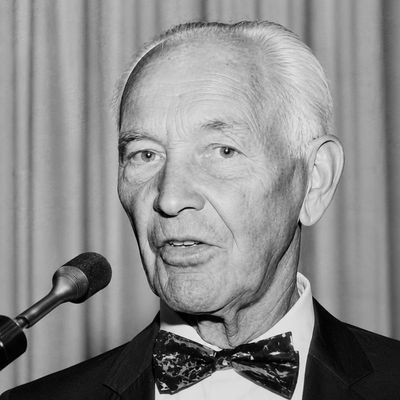
Photo from ANHS/NHA Archives *
He served as Vice President and as a member of the Board of Directors of the American Natural Hygiene Society. He also served as President and Educational Director of the New York Natural Hygiene Society. He studied chiropractic and nature cure at Dr. Lust’s school and became a professional hygienist. He founded Hygiology Camp and later established the Hygiology Hotel and Country Club, where he supervised therapeutic fasts.
- The Necessary Ingredient (originally published in 1958): Good health depends not only on diet and lifestyle but also on a positive mental attitude, as emotions such as fear, worry, and anger can hinder healing. Replacing negativity with constructive thinking, faith, and a hopeful outlook supports the body’s natural ability to recover and thrive.
Austin, Harriet – (MD)
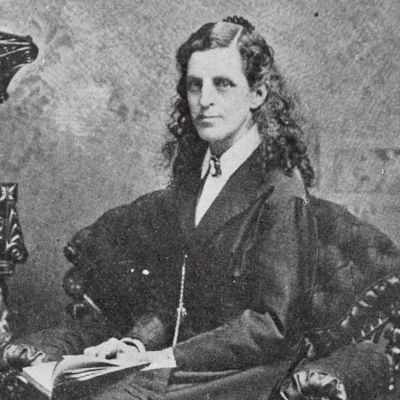
Photo: A. O. Bunnell, via Wikimedia Commons *
Harriet Austin was a hydrotherapist, author, and dress reform advocate. She was among the first women in the world to receive the title Doctor of Medicine and one of the first doctors (male or female) to specialize in hydrotherapy.
She went into practice at Our Home Hygienic Institute, which became the largest hygienic institute in the world. Working with Dr. James Jackson, she promoted and practiced his principles, which included simple food, clean air and water, sunshine, solid sleep, exercise, and hydropathy treatments as needed.
As editor of the magazine Laws of Life, she spread the message of Hygiene and remained in this position throughout her life. She also authored several books on women’s health, bathing, and dress reform.
Together with Dr. Susanna Dodds, Harriet Austin promoted the National Dress Reform Association. To support the movement, she created and modeled an outfit that she felt would promote health. She dressed in this style her entire life.
She was an influential female natural health practitioner of the 19th century, a dress reform advocate, and a true trailblazer. She became one of the great pioneers of the National Hygiene Movement, a cornerstone of the National Health Association. Learn more.
- 1985 (Jan/Feb) – Timeless Teaching: Sickness is Always Caused by Wrong Doing. Sickness is generally the result of violating the laws of health, and people should learn to take responsibility for their well-being. It emphasizes natural living—healthy food, adequate rest, exercise, appropriate clothing, fresh air, and moderation in work—as the foundation of health, while viewing pain and illness as the body’s efforts to restore balance. The doctor’s role, according to this philosophy, is not to suppress symptoms but to remove their causes, support the body’s natural healing processes, and help people develop healthier habits.
Benesh, Gerald – (DC) – (Escondido, California)
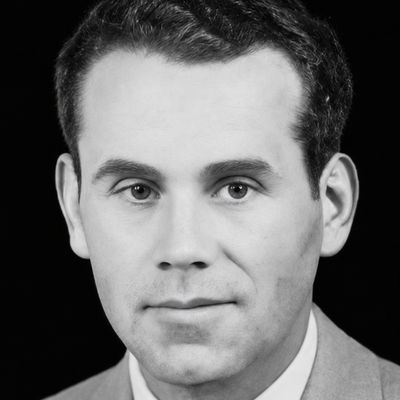
Photo from ANHS/NHA Archives *
He authored numerous articles for the Hygienic Review and lectured in cities throughout the country. A past President of the American Natural Hygiene Society, he was a founding member of both the ANHS and the International Association of Professional Natural Hygienists, and he maintained a long-standing practice in Escondido, California.
He was educated at the Cleveland College of Manual Therapy, the Davison College of Naprapathy, and the Los Angeles College of Chiropractic. Throughout his career, he managed several institutions for health restoration in Cleveland and Avon, Ohio, as well as in North Carolina. He served for many years as the Director of the Paradise Valley Health Ranch in Escondido, California, where he supervised therapeutic fasting programs. In Southern California, he maintained an office practice in Natural Hygiene during the last five years of his professional work. Read his interview in Health Science in Jul/Aug 1991. Learn more about Dr. Benesh.
- Crises: Confusion cannot reign about us unless man himself is in a state of confusion – (originally published in 1961) – Global chaos and health crises reflect humanity’s internal physical, mental, and emotional imbalance, driven by unhealthy living and disregard for natural laws. It concludes that meaningful change and a better world can only come through adopting Natural Hygiene principles, improving personal health, and leading by example.
- The Challenge of Natural Hygiene – (originally published in 1959). Natural Hygiene is described as a way of life based on following biological laws to support health, healing, and personal growth through natural living practices. It emphasizes patience, self-discipline, and proper use of mind and body to restore vitality, eliminate waste, and achieve ongoing physical, mental, and spiritual well-being.
Davidson, Irving
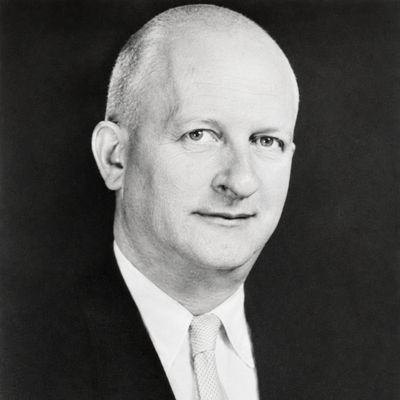
Photo from ANHS/NHA Archives *
Attorney Irving Davidson of Brooklyn, New York, was a founding member of the American Natural Hygiene Society as well as the New York Vegetarian Society. He was a lawyer, humorist, and teacher. He and his wife, Adele, were active members of the NHA for more than two decades. Davidson further showcased his leadership during his two-year tenure as NHA president from 1973 to 1975. Davidson formed a valuable partnership with the renowned publicist Jack Dunn Trop. In 1946, Irving Davidson and Jack Dunn Trop founded the Graham Natural Hygiene Society in New York City, a local group dedicated to promoting holistic health principles. Together, they passionately worked to advance the vision of the National Health Association, making a lasting impact in the realm of public health advocacy. Learn more about Irving Davidson.
- Beyond Personal Health – How the Natural Hygienist measures up in human relations. (Originally published in the American Natural Hygiene Society’s 1965 Conference program) – The natural hygienist is guided by humanitarian values, social responsibility, and a steadfast commitment to truth. Dedicated to living in harmony with natural laws, hygienists emphasize education, prevention, and personal responsibility over drugs and external remedies. They challenge misinformation with courage and integrity, leading by example rather than theory. By promoting cooperation, self-awareness, and respect for both biological and social laws, they recognize that a healthy society begins with healthy individuals. Their ultimate purpose is to inspire others through their own lives, helping create a healthier, more compassionate, and enlightened world.
- 1993 (Jul/Aug) The Human Body Is Nobody’s Fool. This essay by ANHS Founder and Past-President Irving Davidson first appeared in the 1963 ANHS International Natural Living Conference program. The human body is an extraordinary self-healing and self-renewing organism that functions with remarkable intelligence when given its basic needs. Natural Hygiene teaches that by providing proper nutrition, fresh air, sunshine, exercise, rest, and emotional balance, we support the body’s innate ability to maintain health, repair itself, and thrive.
- 1990 (Nov/Dec) – From the Archives: Rebirthing the Good Life. Helen and Scott Nearing set the standard for how to live joyful, productive lives. This article first appeared in the October 1955 issue of Dr. Shelton’s Hygienic Review. Natural Hygiene teaches that health is guided by sound principles, not by rigid rules or isolated remedies. Rather than believing “you are what you eat,” it emphasizes that diet and lifestyle should be adapted to the individual’s condition, needs, and ability to use them. Food, exercise, and other health practices support life, but true health depends on the body’s capacity to digest, assimilate, and wisely use these essentials.
Densmore, Helen – (MD)
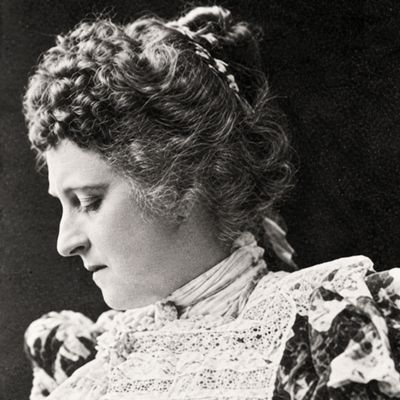
Photo from Find a Grave *
Helen Barnard Densmore, born around 1833, was the daughter of a physician in Adrian, Michigan, and received an education in medicine. Alongside her husband, Emmet Densmore, M.D., she devoted herself to practicing and promoting the principles of Natural Hygiene. A tireless reformer, she was remembered by her husband for her extraordinary enthusiasm for movements dedicated to the betterment of humanity. The mother of two sons and a daughter, Helen Densmore died on November 26, 1904.
- 1978 (September) – Timeless Teachings – Some Mistakes of Vegetarians. Excerpted from Dr. Densmore’s article, which appeared in her husband Emmet Densmore, M.D.’s book, How Nature Cures. 1892. Dr. Densmore argued that health is humanity’s natural state and that illness results from violating the laws of healthy living. Transitioning from an unhealthy diet to a more natural one may initially bring discomfort, which Densmore interpreted as part of the body’s adjustment and healing process rather than evidence that the new diet is harmful. Lasting dietary reform, the author maintained, requires patience and perseverance, especially when confronting long-established habits and social pressures, but ultimately offers the promise of greater health and vitality.
Esser, William – (ND, DC) – (Florida)
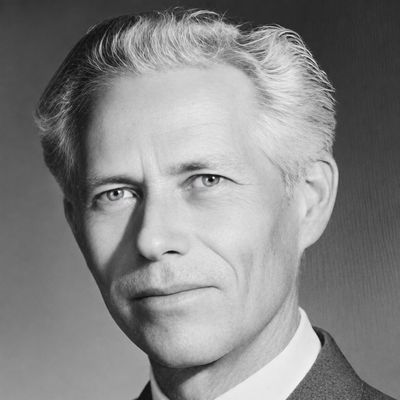
Photo from ANHS/NHA Archives *
Founding member and past president of the American Natural Hygiene Society. A graduate of the American College of Naturopathy and the American College of Chiropractic, he has more than 45 years of experience supervising therapeutic fasting. He served as director of Esser’s Ranch in Lake Worth, Florida, and is the author of Dictionary of Man’s Foods as well as numerous articles in the Hygienic Review. Read his interview in the May/June 1996 Health Science Magazine. Learn more about Dr. Esser.
- Is Illness Inevitable? (published 1955) – Illness is largely the result of fear, misinformation, and unhealthy lifestyle choices, rather than an inevitable part of life. By understanding natural laws, taking personal responsibility, and living with balance and moderation, individuals can maintain health and avoid disease.
- The Real Road to Health – (Originally Published ?) – Disease is largely the result of fear, misinformation, and unhealthy lifestyle choices, rather than an unavoidable condition. By taking personal responsibility and living in harmony with natural laws through moderation and self-control, individuals can maintain health and avoid illness.
- Illness Is Not Inevitable – (originally published in 1958) – Illness stems largely from fear, unhealthy habits, and disconnection from natural laws, rather than external causes. By cultivating self-awareness, moderation, and personal responsibility, individuals can maintain health and avoid disease.
- The Time for Decision – (originally published in 1963) – Many people look back on life with regret over wasted time, poor habits, and unfulfilled potential, especially in relation to health and well-being. It emphasizes that while the past cannot be changed, adopting Natural Hygiene principles and healthier choices in the present can lead to greater vitality, happiness, and a more meaningful future.
- The Dangerous Years – (originally published in 1964) – Illnesses are presented as warning signs that the body’s needs are being violated, reflecting accumulated abuse of natural health laws over time. Because the body’s reserves diminish with age, especially after forty, continued excesses in diet and lifestyle eventually lead to chronic disease, irreversible decline, and dependence, making adherence to “Natural Hygiene” principles essential for long-term health.
- Does Education Educate? – Originally published in the 1969 Convention handbook – Despite humanity’s scientific progress, modern medicine and institutions have failed to properly understand and teach the true laws of health, often allowing environmental toxins and harmful practices to damage public well-being. It calls for a health revolution led by Natural Hygiene advocates to educate society, challenge harmful policies, and restore health by aligning with natural biological principles.
- The Time for Personal Appraisal – (Originally published in 1959) – Life passes quickly, and the physical decline often accepted as “normal aging” is actually a warning of neglected health and poor habits. True vitality requires consciously living in alignment with natural laws, rather than indulging in harmful behaviors that lead to preventable suffering and diminished life.
- The Climb to the Shelf – (Originally published in the January 1955 issue of The Journal of Natural Hygiene) – Dr. Esser argues that premature aging and declining health are often caused not by age itself, but by unhealthy lifestyle habits such as overeating, stress, excess, lack of rest, and poor self-care. Using examples of athletes and public figures who experienced early decline or death, the author promotes the principles of Natural Hygiene — including wholesome nutrition, fresh air, sunlight, moderation, and proper rest — as a way to restore vitality, prevent illness, and maintain strength and well-being throughout life. The article concludes with Herbert M. Shelton’s message that “Health must be built, not bought.”
- What Is Your Index of Success? This essay first appeared in the 1962 ANHS International Conference program. True success is not measured by wealth or status but by vibrant health, which is the foundation for happiness and a fulfilling life. Natural Hygiene teaches that lasting health is achieved through education, healthy habits, and consistently living in harmony with the laws of nature.
- Timeless Teachings: Living Healthfully in an Unhealthy Environment. This article first appeared in the May, 1949 issue of Dr. Shelton’s Hygienic Review. Natural Hygiene teaches that good health can be achieved even in challenging environments by focusing on healthy habits rather than perfect surroundings. It emphasizes a wholesome diet, regular exercise, sunshine, emotional balance, adequate rest, and the choice of fresh, high-quality foods, while minimizing stress and unhealthy influences. Ultimately, lasting health depends on consistently practicing sound lifestyle habits, regardless of where you live.
Gian-Cursio, Christopher – (DC)

Photo from ANHS/NHA Archives *
In 1936, Dr. Christopher Gian-Cursio took a significant step in advancing health and wellness by founding the first modern Natural Hygiene Society in Rochester, New York. Initially named the Rochester Physiological Society, the organization was firmly rooted in the traditions of its predecessors, adopting the constitution of the original Boston group. Dr. Gian-Cursio’s efforts continued to shape the movement for decades; in 1950, he played a pivotal role in establishing both the Buffalo Natural Hygiene Society and the Washington Natural Hygiene Society. He later became a co-founder and Past President of the ANHS and served as Editor of the Journal of Natural Hygiene. Learn more about Dr. Gian-Cursio.
- From The Archives: Sylvester Graham (1794-1851): People threw out their meat, whiskey, and white bread when they heard this fiery preacher of the gospel of health!
This article originally appeared in Dr. Cursio’s long out-of-print book, Eternal Truths of a Century Ago, and is edited here for Health Science. Sylvester Graham (1794–1851) was a pioneering advocate of Natural Hygiene who taught that lasting health comes through proper diet and healthy living rather than drugs or medical treatments. Despite intense opposition, his lectures, writings, and health reform efforts inspired thousands, helped establish the first health food store, and laid the foundation for modern natural health and vegetarian movements. - Timeless Teaching: Harriet N. Austin, M.D. (1826-1891) – The world’s first woman Hygienic doctor.
This article originally appeared in Dr. Cursio’s long out-of-print book, Eternal Truths of a Century Ago, and is edited here for Health Science. Harriet N. Austin, M.D. (1826–1891) was one of the first graduates of Dr. Russell Thacher Trall’s Hygienic medical school and the first female professional practitioner of Natural Hygiene. A physician, teacher, editor, and health reformer, she influenced countless patients—including Clara Barton—while promoting natural health, dress reform, and the belief that lasting health comes from living in harmony with the laws of nature rather than relying on medical treatment. - Timeless Teachings – Isaac Jennings, M.D. (1788-1874). The World’s first hygienic doctor.
This article originally appeared in Dr. Cursio’s long out-of-print book, Eternal Truths of a Century Ago, and is edited here for Health Science. Dr. Isaac Jennings (1788–1874) was a Yale-trained physician who abandoned bloodletting and drug-based medicine after witnessing a patient’s recovery without medication. He became a pioneer of Natural Hygiene, teaching that the body possesses an innate healing ability and that health is restored by removing the causes of disease while providing the body’s natural requirements. His influential writings, including The Philosophy of Human Life and The Tree of Life, helped shape the Health Reform movement and earned him recognition as one of the leading early Hygienists.
Gross, Robert – (DC) – (New York)
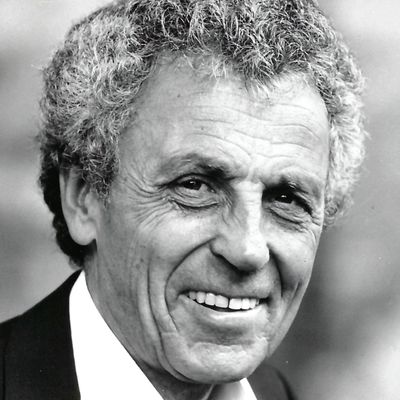
Photo from ANHS/NHA Archives *
He served on the ANHS Board of Directors and was the Manager of the 1957 Convention. He held a Ph.D. in Biochemistry from the Philadelphia College of Medicine and Osteopathy and pursued additional academic work on the medical faculties of the University of Amsterdam in Holland and the University of Rome in Italy. Together with his wife, Joy Gross, he co-founded the Pawling Health Manor in New York. An international authority and lecturer in sports medicine, he also worked as a consultant and specialist in fasting and obesity. Learn more about Dr. Gross.
- Illness is Unnatural – Illness was described as an unnatural state resulting from living out of harmony with nature’s laws, while true health required vitality, balance, and proper functioning of the body. Lasting health could not be achieved through drugs, but through disciplined lifestyle changes—including proper diet, fasting, rest, exercise, and emotional balance—that support the body’s natural healing abilities.
Jackson, James C. – (MD)
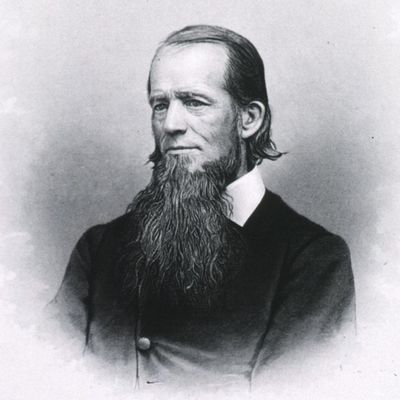
Photo courtesy of Wikipedia *
Throughout the first part of Dr. Jackson’s life, he suffered from poor health, and he eventually became a patient under the care of Dr. Gleason, a hydro-hygienist. Together, Jackson and Gleason established a Hygienic Institute known as the Glen Haven Water Cure. In 1858, Jackson opened Our Home Hygienic Institute, becoming the largest Hygienic Institution in the world. James Jackson focused on nutrition and created the first breakfast cereal called Granula.
Dr. Jackson’s principles included simple food, clean air & water, sunshine, solid sleep, exercise, and hydropathy treatments as required. He was an influential natural health practitioner of the 19th century and one of the great pioneers leading to the National Hygiene Movement, which became a cornerstone of the National Health Association. Learn more about Dr. Jackson.
- 1979 (March) – Timeless Teaching – Student Life; or, How to Work with the Brain without Overworking the Body
Jennings, Isaac – (MD)

Photo Courtesy of Wikipedia *
Isaac Jennings is often hailed as the pioneer of medically supervised water fasting. Through his work, he established that a combination of fasting, a vegetarian diet, pure water, sunshine, clean air, exercise, and rest is more effective for promoting health than traditional allopathic treatments. Jennings believed that most diseases were responses to unfavorable environmental factors and were primarily caused by a ‘deficiency of force.’ He advocated for rest and non-interference with the body’s natural healing processes as the most effective means to restore health. He used fasting as a form of complete physiological rest to facilitate recovery and maintain good health. In his practice, the only “medicines” he prescribed were bread pills and colored water, alongside detailed lifestyle adjustment instructions. After years of successful application, he publicly renounced faith in conventional drugs and ceased prescribing them altogether. Learn more about this pioneer.
- 1978 (November) – Timeless Teaching: Analysis of the Law of the Animal Economy or Law of Life. Excerpted from Dr. Jennings’ book Medical Reform: A Treatise on Man’s Physical Being and Disorders, Oberlin: Fitch and Jennings, 1847, pp. 48-75. The article presented the “Law of Life” as a unified natural system whose operations consistently worked toward preserving the health and welfare of the entire body. It described this law through eight interconnected principles—Action, Repose, Economy, Distribution, Accommodation, Stimulation, Limitation, and Equilibrium—which governed how the body used, conserved, distributed, and restored its vital energy. Jennings argued that rest replenished energy, while stimulants and other harmful practices unnecessarily depleted it, and that even illness symptoms could reflect the body’s efforts to protect, repair, and restore itself. Ultimately, the article portrayed life as an indivisible, self-regulating process directed toward “the highest possible degree of health.”
Nichols, Thomas Low – (MD)
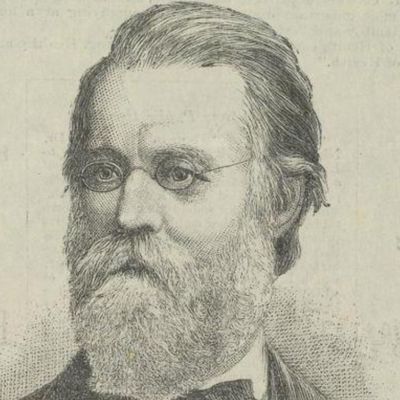
Photo: Wikipedia *
Natural Hygiene teaches that health is maintained and restored by living in harmony with the laws of life. Disease is best prevented by removing its causes and meeting the body’s basic needs—wholesome food, pure air, rest, sunlight, cleanliness, and emotional well-being. When illness occurs, the body possesses an innate ability to heal if given the proper conditions. Rather than relying on drugs or unnecessary interventions, Natural Hygiene emphasizes removing obstacles to health and supporting the body’s natural healing processes through rest, appropriate fasting, and healthy living. Learn more about Dr. Nichols.
- The Importance of Doing Nothing – Excerpt from the book Esoteric Anthropology (1853) – Natural Hygiene teaches that health is maintained and restored by living in harmony with the laws of life. Disease is best prevented by removing its causes and meeting the body’s basic needs—wholesome food, pure air, rest, sunlight, cleanliness, and emotional well-being. When illness occurs, the body possesses an innate ability to heal if given the proper conditions. Rather than relying on drugs or unnecessary interventions, Natural Hygiene emphasizes removing obstacles to health and supporting the body’s natural healing processes through rest, appropriate fasting, and healthy living.
Oswald, Felix – (MD)
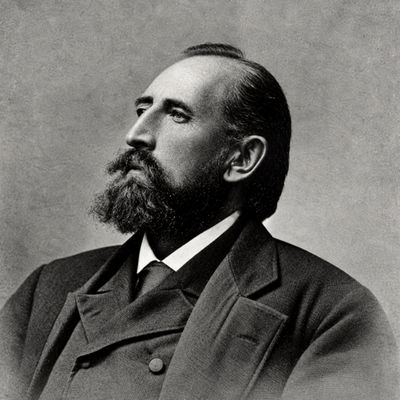
Photo Courtesy of Wikipedia *
Dr. Felix Oswald supported natural hygiene, advocating fasting, a vegetarian diet, pure water, clean air, sunshine, and exercise. He was a physician, naturalist, and prolific writer and was influenced by Rev. Dr. Sylvester Graham. Though trained in allopathic medicine, he became a Hygienist of the first rank.
Dr. Oswald was a gifted author, and his extensive travels and observations were woven throughout his work. In 1889, he contributed to the column of the Journal of Good Health under the general title International Health Studies.
The Hygiene Movement has been led by an unbroken line of physicians who rejected orthodox medical practice while dedicating themselves to teaching people how to live disease-free lives. These men and women were startlingly ahead of their time, and Dr. Felix Oswald joined their ranks as one of the pioneers of Natural Hygiene. Learn more about Felix Oswald.
- 1982 (Mar/Apr) – Physical Education or The Health-Laws of Nature. This article is a condensation of Chapter III, Out-Door Life from Physical Education (1883). This chapter emphasizes the importance of fresh air, sunlight, and outdoor exercise as essential foundations for health, particularly during childhood. It argues that regular outdoor activity strengthens the body, supports physical and mental well-being, and helps build vitality that can carry into adulthood. Oswald especially encourages children to spend substantial time outdoors, viewing active contact with nature as an important part of healthy growth and development.
- 1978 (August) – Timeless Teachings: Summer Refrigeration. Excerpted from Dr. Oswald’s article, which originally appeared in the North American Review, September 1957. Dr. Oswald criticized modern civilization for protecting people extensively from winter cold while providing little relief from summer heat, arguing that buildings and lifestyles should incorporate artificial cooling and better ventilation. Cold and refrigeration were presented as valuable tools for preserving food, improving comfort, and promoting health. Oswald also challenged the common belief that cold air causes respiratory illness, instead attributing many such ailments to poorly ventilated indoor environments and portraying fresh, cold air as beneficial to health.
Shelton, Herbert – (DPT) – (Texas)

Photo from ANHS/NHA Archives *
The world’s former foremost health educator. In 1939, Dr. Shelton launched *The Hygienic Review* magazine, quickly establishing it as an essential resource for health enthusiasts and practitioners. This influential magazine provided invaluable insights into the laws governing our physiology and offered practical advice on maintaining optimal health for 45 years.
In 1948, Shelton, along with the esteemed doctors William Esser, Christopher Gian-Cursio, Gerald Benesh, and Jesse Mercer Gehman, as well as film producer Jack Dunn Trop, publicist Symon Gould, and attorney Irving Davidson, came together to establish the American Natural Hygiene Society. Shelton was unanimously elected as the first president, driving a powerful movement. Through dedicated educational initiatives, the Society successfully reignited the Hygienic revolution, empowering thousands to embrace and apply the transformative principles of Natural Hygiene. Learn more about Dr. Shelton.
- Overcoming the Old Order: Dr. Shelton’s Preface to Human Life: Its Philosophy & Laws – (originally published in 1928) – Human thinking is largely shaped by environment and tradition, which often causes resistance to new ideas and slows progress. True advancement—especially in health and lifestyle—requires a shift in perspective and a willingness to challenge ingrained beliefs and adopt new understanding.
- 1998 (Jan/Feb) – Rational Care of the Sick: Understanding the important difference between Hygienic care and remedial care. This article first appeared in the June, 1958 issue of Natural Hygiene, which was a former ANHS publication. True healing comes from within the body, not from external remedies. Natural Hygiene teaches that the body heals itself when provided with the essential conditions of health—clean air, pure water, nutritious food, rest, exercise, sunlight, and emotional balance—tailored to the individual’s needs. Rather than forcing healing through drugs or other interventions, the Hygienist’s role is to support the body’s innate healing capacity by supplying these life-sustaining conditions. Healing is not imposed from the outside but naturally unfolds when the body’s needs are met.
- 1995 (May/June) – Advances in Hygiene. This article first appeared in the program of the 1952 ANHS International Natural Living Conference. Natural Hygiene traces its roots to the early 19th century, when pioneers such as Sylvester Graham, Isaac Jennings, William Alcott, and Russell Trall established its scientific foundation based on the body’s natural ability to maintain and restore health. Since then, generations of practitioners have expanded this knowledge—particularly in nutrition, fasting, lifestyle, and the causes of disease—making Natural Hygiene an ever-evolving science focused on supporting the body’s innate healing processes.
- 1995 (Mar/Apr) – Hygiene vs. Curing This article first appeared in Dr. Shelton’s Hygienic Review. Despite decades of conventional treatments providing only temporary relief for asthma, many individuals experienced lasting improvements by removing the underlying causes of illness and adopting the principles of Natural Hygiene. Rather than treating symptoms, Natural Hygiene emphasizes healthful living—fresh air, nutritious food, rest, sunshine, cleanliness, and education—as the foundation for restoring and maintaining health.
- 1994 (Jan/Feb) – Errors of the Curing Mentality – This essay originally appeared in the 1956 ANHS Conference program. Disease is not an enemy to be cured but the body’s natural, orderly response to abnormal conditions—an adaptive, protective process that works to preserve and restore health. Rather than suppressing symptoms, Natural Hygiene supports the body’s innate healing by removing the causes of illness and providing the essential conditions for recovery, such as rest, proper nutrition, fresh air, sunshine, and clean water.
- 1993 (Nov/Dec) – What Is Natural Hygiene? – This essay first appeared in the 1956 ANHS International Conference program. Natural Hygiene is not a system of treating disease but a lifelong way of living that promotes health by providing the body’s essential needs—wholesome food, pure water, fresh air, sunshine, rest, exercise, and emotional balance. When illness occurs, it emphasizes removing the causes of disease and supporting the body’s natural healing processes rather than relying on drugs or other artificial interventions.
- 1993 (May/June) – Why Rest Is So Vitally Important. – This brilliant essay first appeared in the program for the 1967 ANHS International Natural Living Conference. Natural Hygiene teaches that healthful living requires balancing activity with adequate rest, recognizing that the body repairs, restores, and renews itself during periods of sleep and relaxation. Rest—including physical, mental, sensory, and physiological rest—is considered essential for healing, as it allows the body’s natural restorative processes to work most effectively without the interference of stimulants or excess activity.
- 1993 (Jan/Feb) – Why Remedies Don’t Work – This essay appeared in the 1966 issue of the Natural Hygiene Yearbook, under the title “The Need for Truth.”
Natural Hygiene teaches that health is the body’s normal state and disease results primarily from violating the laws of life. Rather than suppressing symptoms, it emphasizes removing the causes of illness and supporting the body’s innate healing ability by providing its essential needs—clean air, pure water, wholesome food, rest, exercise, sunshine, cleanliness, and emotional balance. Symptoms are viewed as the body’s natural efforts to restore health, and lasting recovery comes from cooperating with these processes rather than interfering with them. - 1992 (July/Aug) – You Cannot Break the Laws of Life, But They Can Break You! This essay first appeared in the March 1958 issue of Natural Hygiene, under the title “Hygiene on the March.” Natural Hygiene teaches that health and disease are the natural consequences of how we live. By aligning our lives with the laws of nature and meeting the body’s true needs, we build health; by violating those laws, we gradually undermine it. Lasting well-being comes not from shortcuts or remedies, but from consistently living in harmony with the body’s natural design.
- 1992 (Apr/May) – The Health of the Nation – This 1973 editorial addresses a question as timely now as then. Do we need more doctors and more medical treatments—such as through a national health plan— or do we need to teach people to live in a way that does not produce sickness? Despite advances in modern medicine and increased access to healthcare, chronic disease has continued to rise, suggesting that true health cannot be achieved through treatment alone. It contends that lasting health depends on prevention through healthy living, emphasizing that improving daily habits and addressing the root causes of illness are more effective than relying on cures after disease develops.
- 1991 (July/Aug) – From the Archives: How Many Meals a Day? This essay first appeared in his book Health For the Millions, published in 1968.
Even in busy cities, excellent health is achievable by consistently practicing Natural Hygiene principles. While pollution and daily stress cannot always be avoided, choosing wholesome foods, managing emotions, exercising regularly, getting adequate sunshine and rest, and selecting fresh produce can help maintain vibrant health. Ultimately, health depends more on daily habits than on where you live, and those who prioritize healthy living can thrive in almost any environment. - 1991 (May/Jun) – From the Archives: My Experiences with Fasting. This essay by Herbert M. Shelton (1895-1985) first appeared in the April 1969 issue of Dr. Shelton’s Hygienic Review. Drawing on decades of study and thousands of supervised fasts, the author emphasized that fasting is a natural physiological process that supports the body’s ability to rest, repair, and eliminate accumulated wastes—it is not a cure or a form of starvation. He stressed that fasting should be viewed as one component of a healthy lifestyle, not a substitute for sound daily habits. Lasting health depends on combining fasting, when appropriate, with proper nutrition and other principles of Natural Hygiene.
- 1991 (Mar/Apr) – From the Archives: The Nutritional Basis of Life. This essay by Herbert M. Shelton (1895-1985) first appeared in his book, Superior Nutrition, first published in 1951. Good nutrition is more than simply eating enough food—it depends on the body’s ability to digest, absorb, and use nutrients effectively. Health is supported by the combined influence of wholesome food, fresh air, water, sunshine, rest, exercise, and emotional well-being, all working together with the body’s natural processes. The article emphasizes that restoring health requires strengthening the body’s capacity to assimilate nutrients rather than relying on overeating, supplements, or stimulants. It recognizes that fasting may be beneficial when the body cannot properly digest and utilize food.
- 1991 (Jan/Feb) – From the Archives: Life is More than Food. This essay by Herbert M. Shelton (1895-1985) first appeared in his book, Superior Nutrition, first published in 1951. Natural Hygiene emphasizes that health practices should be guided by sound principles, not rigid rules or theories. Rather than believing “you are what you eat,” it teaches that food should be matched to the individual’s current needs and ability to digest and assimilate it, recognizing that health depends on the body’s proper use of food—not food alone. The article also stresses that exercise, digestion, and the body’s natural capacities are essential to building strength and health, with food serving as one important part of the overall process.
- 1990 (Sept/Oct) – From the Archives: Organic Unity. This article first appeared in his book, Health for All. The body functions as an integrated whole, with every organ working cooperatively to maintain health. Disease results when this natural harmony is disrupted by harmful causes, while healing occurs when the body is allowed to restore balance under favorable conditions. Rather than treating isolated symptoms or organs, true health is achieved by removing the causes of disease and living in accordance with the laws of nature.
- 1990 (Jul/Aug) – From the Archives: Physiological Lawfulness. This article first appeared in his book, Health for All. The body operates according to immutable natural laws, with every organ and function working according to its designed purpose to preserve life and maintain harmony. Disease is not a failure of the body but a lawful response as the organism attempts to restore balance after harmful conditions or habits have disrupted health. Symptoms are viewed as signs of the body’s healing efforts rather than problems to be suppressed.
- 1990 (May/Jun) – From the Archives: Disease Is a Vital Process. This article first appeared in his book, Health for All. Health and disease are both expressions of the body’s vital processes, with disease representing the body’s efforts to overcome harmful conditions and restore balance. Symptoms such as pain, inflammation, fever, and discharge are viewed as protective and healing responses rather than enemies to be suppressed. True care involves removing the causes of illness and providing proper conditions for the body’s natural restorative processes to occur.
- 1990 (Mar/Apr) – From the Archives: Rational Care of the Sick. This article first appeared in his book, Health for All. Lasting health cannot be restored through drugs, surgeries, or treatments that merely suppress symptoms while leaving their underlying causes unchanged. Instead, true healing comes from removing the causes of disease and supporting the body’s natural restorative processes with proper nutrition, healthy living, and other natural conditions that preserve and strengthen vitality.
- 1990 (Jan/Feb) – From the Archives: Avoiding and Remedying Colds. This essay first appeared in the book Getting Well (1946). The common cold is not something to be feared or suppressed but a natural, self-limiting process by which the body eliminates accumulated wastes and restores health. It argues that colds result from enervation and toxemia caused by unhealthy habits, and that prevention depends on healthy living, while care should focus on rest, fasting or light nourishment, fresh air, warmth, and allowing the body’s healing process to run its course rather than suppressing symptoms.
- 1989 (Nov/Dec) – From The Archives: The Rationale of Disease. This essay first appeared in Herbert Shelton’s classic book Getting Well, published in 1946. The body functions as an interconnected whole, with both normal and “disease” processes arising from the same physiological powers. The author argues that symptoms such as fever, inflammation, vomiting, and diarrhea are not outside attacks but the body’s defensive, eliminative, and healing responses to injury or harmful substances. To understand disease clearly, we must distinguish between the cause of injury, the injury itself, and the body’s response to that injury.
- 1989 (Sept/Oct) – From the Archives: The Master Drama of Life. This essay first appeared in his book Health For the Millions, published in 1968. Nutrition, drainage, and nervous system control are the three essential functions that sustain life. Nutrition builds, repairs, and maintains the body, drainage removes wastes to preserve the purity of the body’s tissues and fluids, and the nervous system coordinates these processes so the body functions as a unified whole. Health depends on supporting these natural functions by living in harmony with the laws of nature.
- 1989 (Jul/Aug) – From the Archives: Diseases of Middle Life. This essay first appeared in the book Getting Well (1946). True understanding of health begins with understanding the whole person rather than focusing on isolated diseases or symptoms. It presents chronic disease as the result of years of harmful habits, with early warning signs—such as frequent colds and digestive problems—reflecting an ongoing process of degeneration. Lasting health can be achieved only by removing the underlying causes through healthy living rather than relying on treatments that merely suppress symptoms.
- 1989 (May/Jun) – From the Archives: Palliation. This article first appeared in Dr. Shelton’s Hygienic Review, September 1963. The passage argues that medical treatments often provide temporary relief by addressing symptoms or removing diseased organs while leaving the underlying causes of illness unchanged. According to the author, lasting recovery is possible only by identifying and eliminating the lifestyle habits that produced the disease in the first place. True health is restored through constructive changes in daily living rather than through palliative treatments alone.
- 1989 (Mar/Apr) – From the Archives: Rest vs. Stimulation Understanding the Difference Will Transform Your Life. This article was taken from the November 1939 issue of Dr. Shelton’s Hygienic Review. Stimulating an already weakened body further depletes its limited energy reserves and does not address the underlying causes of illness. Instead, rest and sleep conserve energy, support the body’s natural repair processes, and enhance recovery. True healing comes from removing the causes of disease while providing the body with the rest it needs to restore health.
- 1989 (Jan/Feb) – From the Archives: How to Get Well and Stay Well. This essay first appeared in the book Getting Well (1946). Drugs, surgery, vaccines, and other medical interventions may relieve symptoms or remove diseased tissue, but they do not address the underlying causes of illness. True prevention and lasting recovery require removing the causes of disease and adopting a way of living that supports the body’s natural healing processes. Health is built through constructive habits, not through treatments that merely suppress symptoms.
- 1988 (Nov/Dec) – From the Archives: The Place of Vegetarianism in Natural Hygiene. Natural Hygiene is not a diet but a total way of life. This article first appeared in the Journal of Natural Hygiene, November 1954. Natural Hygiene views a rational plant-based diet as an important part of health, but not as the whole of healthy living. It emphasizes that true health depends on living in harmony with all the laws of life, including proper nutrition, exercise, rest, fresh air, sunshine, emotional well-being, and moderation. According to the author, Natural Hygiene is a comprehensive lifestyle that cares for the whole person rather than focusing on diet alone.
- 1988 (Sept/Oct) – From the Archives: How Then Shall We Live? Practical, Down-to-Earth Advice That You Can Use Immediately to Enhance the Quality of Your Life. This article comes from Dr. Shelton’s book, Living Life to Live it Longer (1926). Health and longevity come from living in harmony with natural laws: cultivating a calm and cheerful mind, exercising, resting, enjoying fresh air and sunshine, maintaining cleanliness, and eating wholesome foods in moderation. It emphasizes self-control, avoiding harmful habits and excesses, and recognizing that true well-being requires balance in all areas of life—not reliance on one practice alone. A simple, disciplined, and purposeful life is presented as the path to strength, happiness, and lasting health.
- 1988 (July/Aug) – From the Archives: Doing Something. Overcoming the Remedy Mentality. This essay first appeared in the book Getting Well (1946).
Thomas L. Nichols, M.D., and Mary Gove Nichols were influential pioneers of the Hygienic movement who promoted natural healing and believed the body’s own restorative powers should be supported rather than suppressed. Dr. Nichols argued that the first duty of healthcare is to “do no harm,” warning that unnecessary medical interventions often hinder recovery, while fresh air, water, cleanliness, rest, proper nutrition, and the removal of disease-causing conditions allow nature to heal. Their work helped advance the Hygienic philosophy of treating causes rather than symptoms. - 1986 (Nov/Dec) – From the Archives: Getting the Most out of Hygiene. Hygiene emphasizes preserving health through balanced living and supporting the body’s natural restorative abilities rather than relying on treatments alone. While its principles are simple, their application—especially during illness—requires knowledge, judgment, and adaptation to each individual’s condition. The passage warns against self-treatment, extreme practices, and mixing Hygienic principles with other methods, stressing that competent guidance is essential for safe and effective care.
- 1985 (Sept/Oct) – Timeless Teaching: Pathology Is a Process—Not an Event. Excerpts from the writings of Herbert M. Shelton. Life may be complex in detail, but its basic principles are understandable: humans, like other living beings, are capable of living healthy lives by following the laws of nature. Shelton emphasized that disease is not a sudden or isolated event but a gradual, systemic process that develops over time through accumulated unhealthy influences. He taught that declining nerve energy and impaired elimination precede toxemia and the development of disease.
- 1985 (Jul/Aug) – Timeless Teaching: How to Eat. “How to Eat” first appeared in Herbert Shelton’s classic Superior Nutrition (Dr. Shelton’s Health School, 1951). Gastrosophy views eating as more than enjoying food; it emphasizes choosing wholesome foods, eating only when genuinely hungry, stopping when satisfied, and chewing thoroughly. Meals should be enjoyed in a peaceful, relaxed state, while eating during fatigue, illness, or emotional distress should be avoided. Proper digestion, mindful eating, drinking water according to thirst, and avoiding overeating are presented as essential to good nourishment and health.
- 1985 (May/Jun) – Herbert M. Shelton A Remembrance – 1895-1985
- 1985 (Spring) – From the Archives: Dr. Shelton’s approach to health care. The following is an excerpt from his book The Joys of Getting Well 1957), which epitomizes Dr. Shelton’s approach to health care. The body’s natural life processes—growth, repair, waste removal, recovery, and healing—are governed by orderly biological principles. It maintains that the body itself possesses the only true healing power and that health is restored through these natural processes. Artificial treatments, the passage argues, cannot replace or duplicate the organism’s inherent ability to heal itself.
- 1985 (Spring) -Timeless Teaching: What Is A Poison? This excerpt is from “What is a Poison?”, which appeared in the September 1948 issue of The Hygienic Review. Substances should be considered beneficial or harmful based on their relationship to the body, rather than simply on the amount consumed. It claims that foods can be used by the body for nourishment and metabolism, while substances the body cannot use must be resisted and expelled, creating stress and potential harm. Because different organisms metabolize substances differently, what is harmless or useful to one species may be harmful to another.
- 1981 (Oct/Nov) – Hygiene vs. Curing. Shelton contrasts his father’s temporary relief from asthma treatments with the Natural Hygiene approach, which emphasized removing perceived causes of illness and supporting the body through rest, proper food, fresh air, sunshine, warmth, and cleanliness. He argued that lasting health depended not on treating symptoms, but on consistently practicing healthful living. Fasting was presented not as a cure, but as one element within the broader Natural Hygiene approach to restoring and maintaining health.
- 1981 (Aug/Sept) – The Effects of Cooking, Part II. Excerpted from Chapter 27 of Orthotrophy, The Natural Diet. Originally published in 1935.
- 1981 (April/May) – The Sources of Truly Remedial Means – Part II. Shelton presents the Natural Hygiene belief that healing and recovery arise from the body’s own physiological processes rather than from medicines or other external agents. It advocates supporting recovery by adjusting the normal requirements of healthy life—including fresh air, water, food, sunlight, exercise, rest, sleep, and emotional well-being—to the individual’s current needs and capacities. The author strongly rejects drug treatment, arguing instead that Hygienic care should focus on removing impediments to health and providing the conditions that support the body’s restorative processes.
- 1981 (Feb/Mar) – The Sources of Truly Remedial Means – Part I. Shelton presents the Natural Hygiene view that the same basic conditions that preserve health—such as proper food, rest, and other normal requirements of life—should also support the body during illness. It argues that recovery results from the body’s own restorative processes and interprets many apparent drug effects as the body’s defensive efforts to resist and eliminate foreign substances. The author therefore advocates relying on health-supporting conditions rather than drugs to promote recovery and maintain well-being.
- 1979 (Oct/Nov) – Timeless Teaching: Rational Asceticism. Excerpted from Dr. Shelton’s book The Hygienic System: Vol 4, Orthokinesiology. Shelton presented true asceticism as self-discipline rather than self-denial or self-punishment, tracing the concept to the ancient Greeks, who trained the body, mind, and character through moderation and restraint in pursuit of higher goals. It rejected extreme forms of asceticism based on suffering and suppression, instead advocating a simple, balanced life of wholesome food, pure water, exercise, rest, sunshine, fresh air, moderation, happiness, and love. Ultimately, Shelton argued that genuine self-discipline meant control rather than suppression and moderation rather than denial, with the goal of greater health, strength, efficiency, and purposeful living.
- 1978 (October) – Timeless Teaching: What is Beauty? Excerpted from Dr. Shelton’s book Human Beauty: Its Culture and Hygiene (1958). Shelton explored beauty as harmony, proportion, symmetry, and fitness rather than simply size, novelty, or personal preference, emphasizing that beauty could take many different forms throughout nature. It argued that each living thing possessed its own standard of beauty when its form, proportions, and characteristics were harmoniously suited to its nature and function. Ultimately, Shelton connected beauty with health, wholeness, usefulness, and goodness, suggesting that physical beauty reached its fullest expression when harmonious form was joined with vigorous health and a loving spirit.
Sidhwa, Keki – (ND, DO) – (Great Britain)

Photo from ANHS/NHA Archives *
Born in India, he was a graduate of the College of Natural Therapeutics and the British College of Naturopathy and Osteopathy. He co-founded and served as president of the British Natural Hygiene Society and was the editor of The Hygienist. A member of the International Association of Hygienic Physicians, he was the author of six books, including The Quintessence of Natural Living, Medical Drugs on Trial? Verdict Guilty, and Fit for Anything. He was also a poet, writer, and lecturer whose extensive experience supervising fasting patients across all stages of disease endowed him with exceptional knowledge of natural hygiene and lent considerable authority to his teachings. Read his interview in Health Science, July/Aug 1990.
- Looking Within (published March 2025) – True health arises from inner harmony—aligning body, mind, and spirit through self-awareness and personal responsibility. By looking within, cultivating balance, and embracing a hygienic lifestyle, individuals can achieve lasting health, growth, and a deeper sense of peace.
- Looking Within: One should start with oneself but never end with oneself (originally published in 2004). True health comes from inner harmony—aligning body, mind, and spirit through self-awareness, responsibility, and a balanced lifestyle. By looking within and cultivating love, balance, and conscious living, individuals can achieve deeper health and growth, and contribute to greater harmony in the world.
- 1986 (May/June) – Food & Life. The natural human diet consists primarily of whole, unprocessed plant foods such as fruits, vegetables, nuts, and seeds. It emphasized eating only when hungry, in moderation, and allowing adequate time for digestion, while avoiding overeating, late meals, processed foods, stimulants, and eating when ill or exhausted. Proper nutrition was presented as more than food alone, requiring sufficient sleep, rest, exercise, fresh air, sunshine, and emotional balance. Most importantly, food was described as nourishment rather than medicine, with health depending on providing the body’s natural requirements and removing harmful influences.
Tilden, John – (MD)

Photo: Public domain, via Wikimedia Commons*
Dr. John H. Tilden, a physician and natural hygiene proponent, was known for alternative healthcare, his criticism of pharmaceutics, and his theory explaining disease via “toxemia, establishing the relationship between “deficiency of force” and the accumulation of body waste. All elements of Tilden’s enervation-toxemia theory are present in the early Hygienic theories about etiology (the causes of diseases), but they were not systematized or organized. Tilden’s work was paramount to organizing and summarizing these theories.
The evolution of the philosophy of Natural Hygiene (known today as NHA) was pioneered in the 19th century. The initial supporters were primarily medical doctors, and he was one of the pioneers who brought this health discovery to light. Learn more about Dr. Tilden.
- 1985 (Jul/Aug) – From The Archives: John Tilden, MD. The passage emphasizes that every effect has a cause and that understanding these universal principles helps people think logically and protect their health. It argues that disease is not something to “cure” but the result of conditions people create, and that true health comes from understanding natural laws and avoiding the causes of disease. Rather than seeking a savior or quick cure, people should take responsibility for creating and maintaining health.
1979 (January) – Timeless Teaching: How To Increase Efficiency. The following is from an address which he delivered to the Colorado Retail Hardware and Implement Dealers’ Association, in Denver, March 3, 1914. Tilden argued that good health was essential to personal efficiency, happiness, and a productive life, and that individuals should learn how to preserve their health rather than depend solely on physicians after illness developed. He attributed much illness to overwork, excess, poor dietary habits, stimulants, and other lifestyle practices that were believed to deplete the body’s “nerve force.” Tilden also argued that physicians should emphasize prevention and healthy living, while individuals should take greater responsibility for understanding and caring for their own bodies.
Trall, Russell T. – (MD)
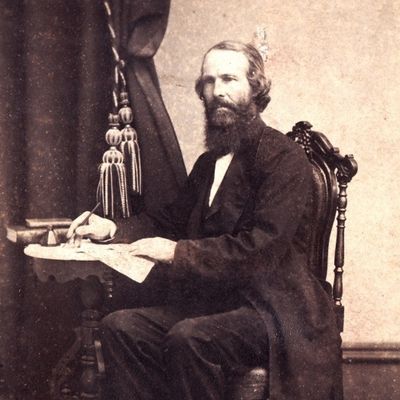
Photo from Wikipedia *
Russell T. Trall (1812-1877) studied the leading schools of therapy, i.e., “regular” (allopathic) medicine, homeopathy, and the eclectic, physico-medical, and chrono-thermal traditions. In 1840, he began a “regular” (allopathic) practice. Discontent with the results of most therapies, he based his practice in increasing measure on the ideas of Rev. Dr. Sylvester Graham (health through healthy living). In 1853, he opened a medical school, the New York Hygeio-Therapeutic College. According to Trall, the root cause of disease was the accumulation of toxic substances caused by improper living habits and allopathic medications. Trall was a forceful debater, preacher, and editor of several magazines for laymen and medical practitioners. He was the author of many books in which he relentlessly propagated his findings. Learn more about Dr. Trall.
- Timeless Teachings: The Importance of Physical Activity Early in Life. Russell Thacker Trall, M.D., was ahead of his time in 1857. This article is excerpted from his book Family Gymnasium, published in 1857. Regular physical activity is essential for both physical and mental development, improving strength, coordination, self-discipline, and overall health. It encourages children to play and exercise naturally, arguing that active lifestyles promote lifelong vitality, while discouraging inactivity, which can hinder healthy growth and well-being.
- 1987 (Nov/Dec) – From the Archives: The Drug Practice. Despite centuries of medical practice and scientific advancement, medicine has often failed to teach the public the true principles of health and has relied too heavily on treating disease rather than preventing it. Citing numerous physicians of the era, it contends that healing is best achieved by supporting the body’s natural processes through healthy living instead of relying on drugs. The central message is that lasting health comes from following the laws of nature rather than attempting to medicate the consequences of unhealthy habits.
- 1985 (Nov/Dec) – From the Archives: Women Doctors. Natural Hygiene and Equal Rights.
In 1852, Russell Thacker, M.D., founded the New York Hygeo-Therapeutic College, which admitted men and women equally and granted medical degrees. Thacker strongly supported women as physicians, arguing that they possessed equal intellectual ability and were often especially well suited to the healing arts. A 1868 Cincinnati Gazette editorial similarly criticized the exclusion of women from the medical profession, asserting that qualified women should be judged by their medical knowledge rather than their sex. - 1985 (Spring) – From the Archives: Emancipation. An excerpt from his introductory lecture on “The Problems of Medical Science,” delivered before the 1863-64 class of the New York Hygeio-Therapeutic College. This passage presents Natural Hygiene as a revolutionary approach rather than a reform of conventional medicine. Instead of replacing one drug or treatment with another, it rejects drug-based medicine and emphasizes teaching the principles of health according to the laws of nature. Its foundation is independent of traditional medical authority and is based on observing and understanding Nature itself.
- 1980 (Oct/Nov) – On Fashion and Health: From Our Roots. Excerpt from the Hydropathic Encyclopedia (Vol 2). Healthy breathing depends on adequate ventilation and clothing that allows the lungs and body to function without restriction. It criticizes tight, constrictive fashions and synthetic fabrics, advocating instead for comfortable, natural-fiber clothing that supports normal circulation, respiration, and digestion. It also highlights the broader environmental impact of synthetic clothing and presents healthful dress as an important, though often overlooked, part of Natural Hygiene.
Walter, Robert – (MD)
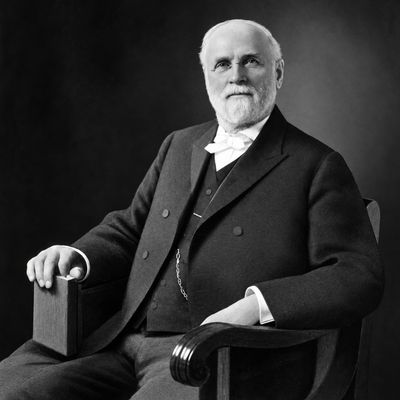
Photo courtesy of Wikipedia *
Robert Walter is among the scientists and scholars who dedicated themselves to studying and practicing the fundamental truths of Hygienic living, emphasizing the role of the fast. Healthy living ensures health recovery by supplying the body with the elements of health and removing what is valueless. Dr. Walter documented this repeatedly.
Dr. Robert Walter was head of the world-famous Hygienic Walter’s Park Sanatorium. The Science of Natural Hygiene ‘cures’ sick people by removing the cause of the disease. He shared nature’s health remedies: air, light, food, water, exercise, rest, sleep, etc. He believed that physicians of his day were more interested in disease than health and wellness. His principles supported the fundamental truths of Hygienic living, which became the cornerstones of the National Health Association.
- 1979 (February) – Timeless Teaching: The Nutritive Cure. Excerpted from Dr. Walter’s book The Nutritive Cure: A Statement of its Principles and Methods. New York: Funk and Wagnalls, 1881. Dr. Walter presented a Natural Hygiene philosophy in which health was restored by supporting the same natural conditions that maintained wellness, rather than simply suppressing symptoms. It argued that healing power resided within the living body and that the physician’s role was to identify and remove causes of illness while providing conditions that supported the body’s normal functions. Walter emphasized conserving and strengthening “vitality” through natural health practices—including wholesome food, pure air and water, rest, sleep, exercise, sunlight, and mental tranquility—and viewed moderation and avoidance of excess as fundamental to health. Ultimately, he advocated addressing the underlying habits and conditions believed to cause disease rather than relying primarily on treatments directed at symptoms.
Way Dodds, Susanna – (MD)
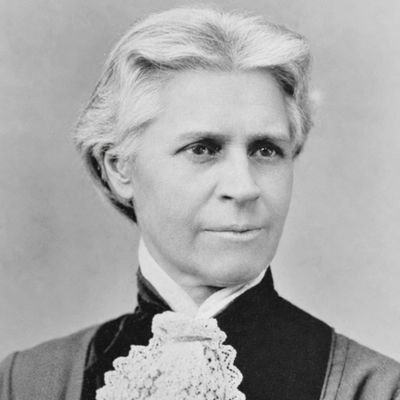
Photo: Public domain, via Wikimedia Commons *
A physician, hydrotherapist, proponent of natural hygiene, and one of the leaders of women’s rights and dress reform, Susanna Way Dodds became the fourth woman in the country to become a physician. She was Vice President of the Vegetarian Society of America. Dodds opened the Dodds’ Hygeian Home facility and ran it for over 50 years.
Susanna and Mary Dodds, MD, founded the Hygienic College of Physicians and Surgeons in 1887 in St. Louis, Missouri, and focused on natural methods of treatment. She was also Dean of the Hygienic College of Physicians and Surgeons and one of the country’s most eminent hygienists. Learn more about Dr. Way Dodds.
- 1985 (Sept/Oct) – From the Archives – Good Health. Good health results from living in harmony with the laws of nature, while illness results from violating them. Obeying these principles promotes health, happiness, and longevity, whereas ignoring them leads to suffering, disease, and a shortened life.

 SUBSCRIBE TODAY AND NEVER MISS AN UPDATE


